
My programme of Friday morning online lectures via Zoom covers a wide range of historical and architectural subjects. In the course of an hour we might look at the history of a country house, take a virtual architectural walk or consider working people’s lives. These lectures are recorded and then made available for two weeks.
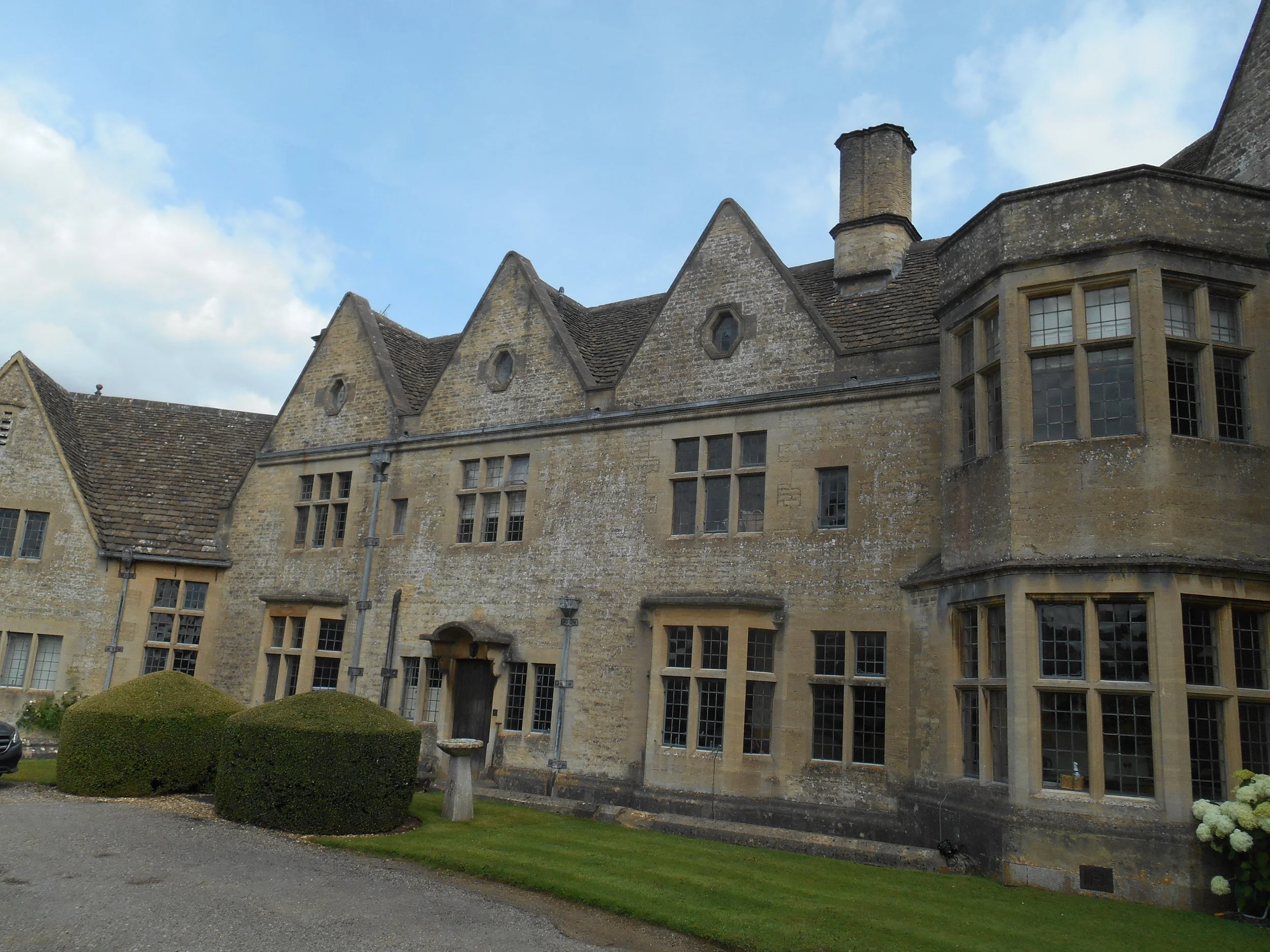
These courses can also be given face to face to groups and I have been doing this since 2001 for a variety of organisations. I can also deliver dayschools if you are interested in a more concentrated look at a topic.
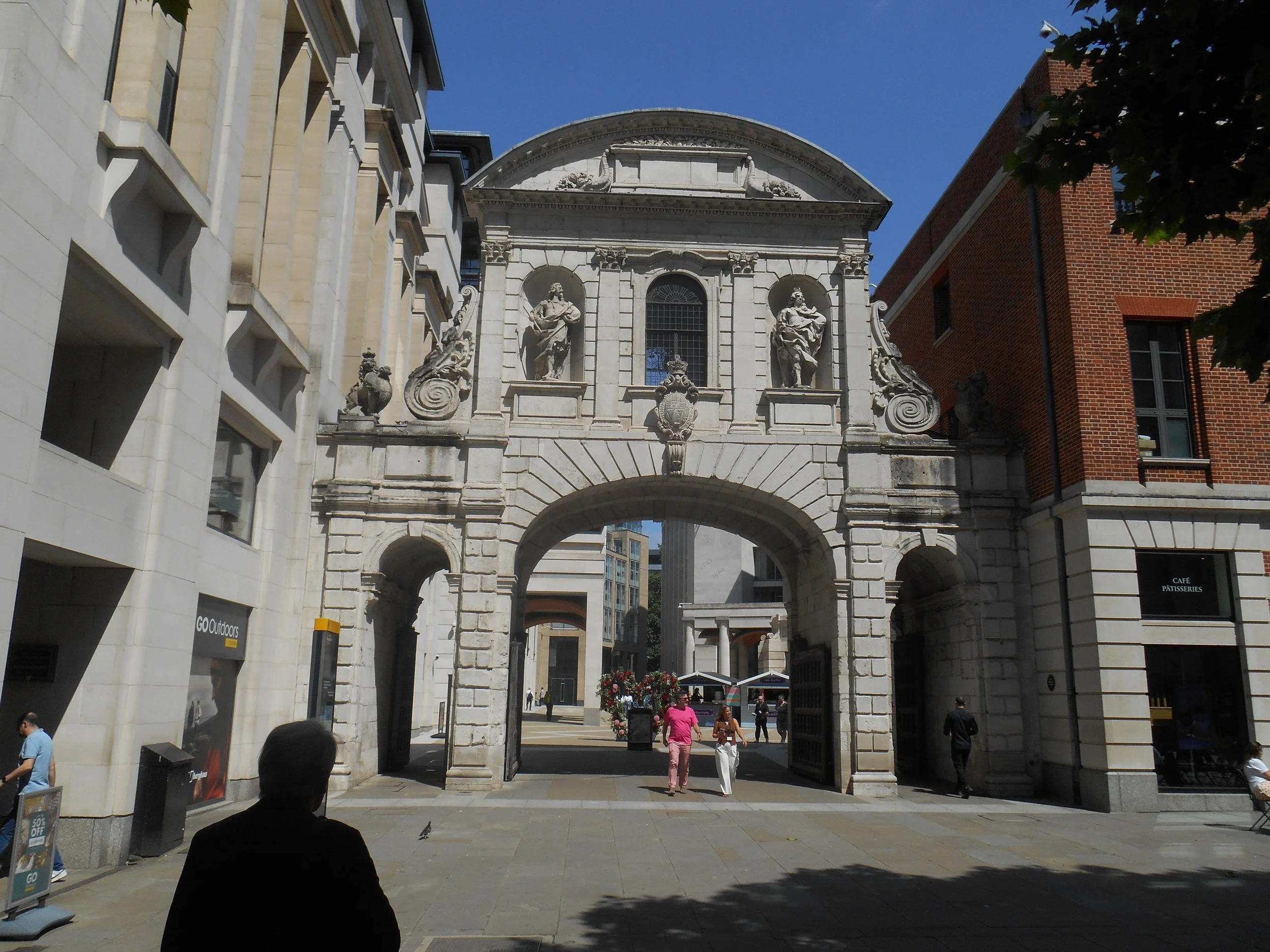
I also give longer courses online looking at similar subjects in greater depth over a number of weeks in sessions which last two hours. Often these relate to English country houses, their architecture and those who lived and worked in them, these courses may look at a particular period like Victorian Country Houses or at houses in an area like the Chilterns.
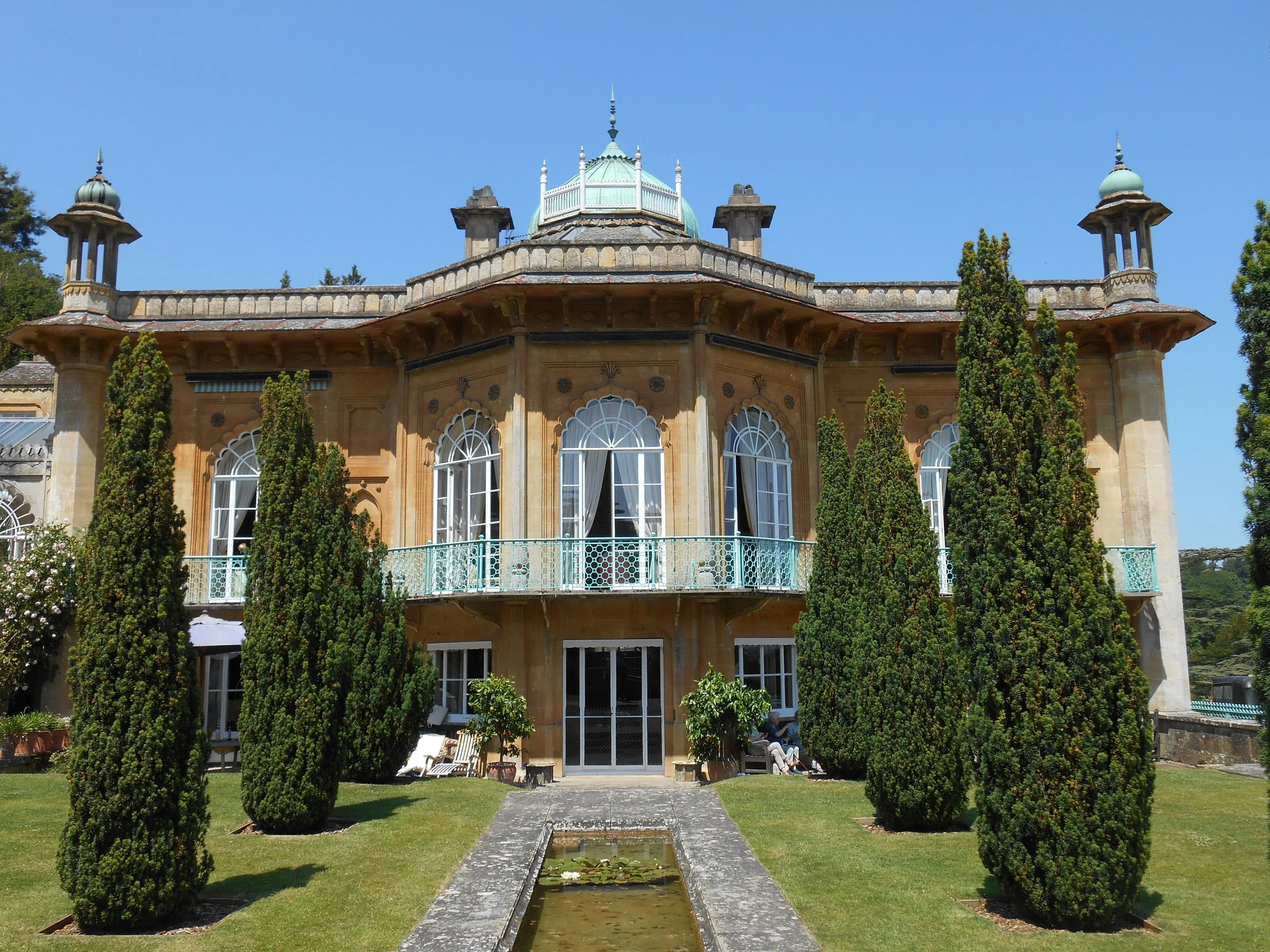
I will deliver Zoom lectures once a week on Fridays at 10.00 a.m. giving six lectures over seven weeks which will be recorded and available for two weeks. The lectures are all standalone sessions so there is no need to commit to the whole series. I will continue to email details of the next week’s events weekly and lectures will be charged at £6 per connection unless you prebook the whole series which will cost £30 for all six. Booking by midday on the day before the lecture (by emailing Zilphahistory@gmail.com) will ensure a place. Please feel free to pass these details (which can also be found at www.zilphahistory.co.uk) onto anyone who may be interested.
Friday 4th September 2026 : Blackwell, a Lakeland House.
Blackwell was built above the shores of Lake Windermere between 1898 and 1900 as a holiday home for Edward and Elizabeth Holt whose wealth came from a brewery in Manchester. Their architect, M.H. Baillie Scott, designed a fine Arts and Crafts house where we will see how he combined vernacular architecture with modern innovations.
Friday 11th September 2026 : No Lecture.
Friday 18th September 2026 : Some Trials for Theft at the Old Bailey in 1760.
The published records of Old Bailey trials give us a window into life in mid Georgian London showing what was of value and how it was protected in homes and businesses. Cases were dealt with rapidly and we will see acquittals as well as convictions with harsh punishments such as transportation
Friday 25th September 2026 : The Silver Jubilee Walkway VIII, On the South Bank between Lambeth and Waterloo Bridges.
In 1977 Elizabeth II’s silver jubilee was marked in London by the creation of a walking route indicated with metal discs set into the pavement. On the eighth section of this journey through London we will follow the Thames looking at Lambeth Palace, bridges and the South Bank Lion among other things.
Friday 2nd October 2026 : Daniel Mytens, Art and the Stuart Elite.
Daniel Mytens (c.1590-1647) was born in Delft but moved from Holland to England where he spent most of the 1610’s and 1620’s. He specialised in portraits which gave a more three dimensional view of sitters than had been usual in England up to that point. Mytens’ portraits were much appreciated by the increasingly sophisticated members of the courts of James I and Charles I as we shall see.
Friday 9th October 2026 : Sir Robert Taylor, a Neglected Architect.
Sir Robert Taylor (1714-88) was well regarded as an architect by contemporaries although his first career was as a sculptor and he did not turn to architecture until he was nearly 40. His work was varied including country houses, such as Gorhambury, Hertfordshire, town houses and public buildings although many of these, such as his work on the Bank of England, do not survive. He also taught young architects, including John Nash. We will shine a light on this underappreciated figure.
Friday 16th October 2026 : Promoting Tobacco.
The years around 1900 saw a great increase in the amount of tobacco that was smoked in the U.K. with the introduction of cigarettes and increasingly effective advertising. We will see the range of direct advertising in posters and enamel signs plus promotional gimmicks like decorated tins or collectable cards and how they targeted at not just existing smokers but new ones including women.
Online Courses Autumn 2026.
Small Houses Big Stories, Starting 9th September 2026, 7.00-9.00 p.m. 6 Weeks.
This course looks at six houses and their occupants to uncover stories about architecture, art and domestic life. Each week we will explore one house and those associated with it; all of the houses are open to the public. (£52)
The English Country House 1950-90; The Phoenix From the Ashes. Starting 4th November 2026 : 7.00-9.00 p.m. 6 Weeks.
In the years after the Second World War many believed that country houses were an anachronism and that it was unlikely that any would survive in the hands of the families who had created them. The creation of listed buildings provided some protection and a few were preserved by the National Trust. Many were destroyed but others survived with owners finding various ways of increasing income and relevance to support their position. In the 1980’s the situation started to change and more owners were able to preserve houses. We will examine these strands of Country House history. (£52)