19th September 2026. Heritage Open Days at Waddesdon Hill.
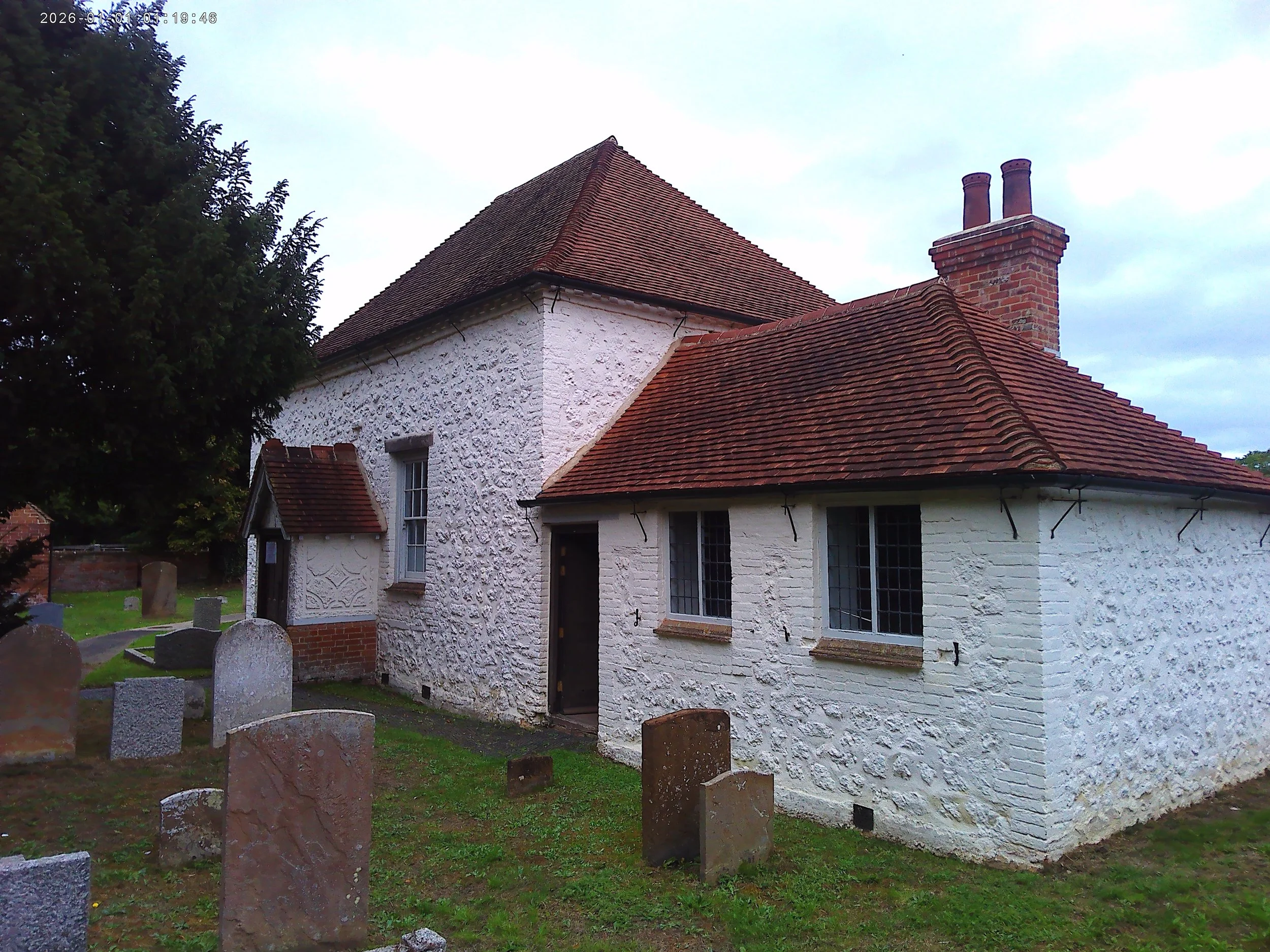
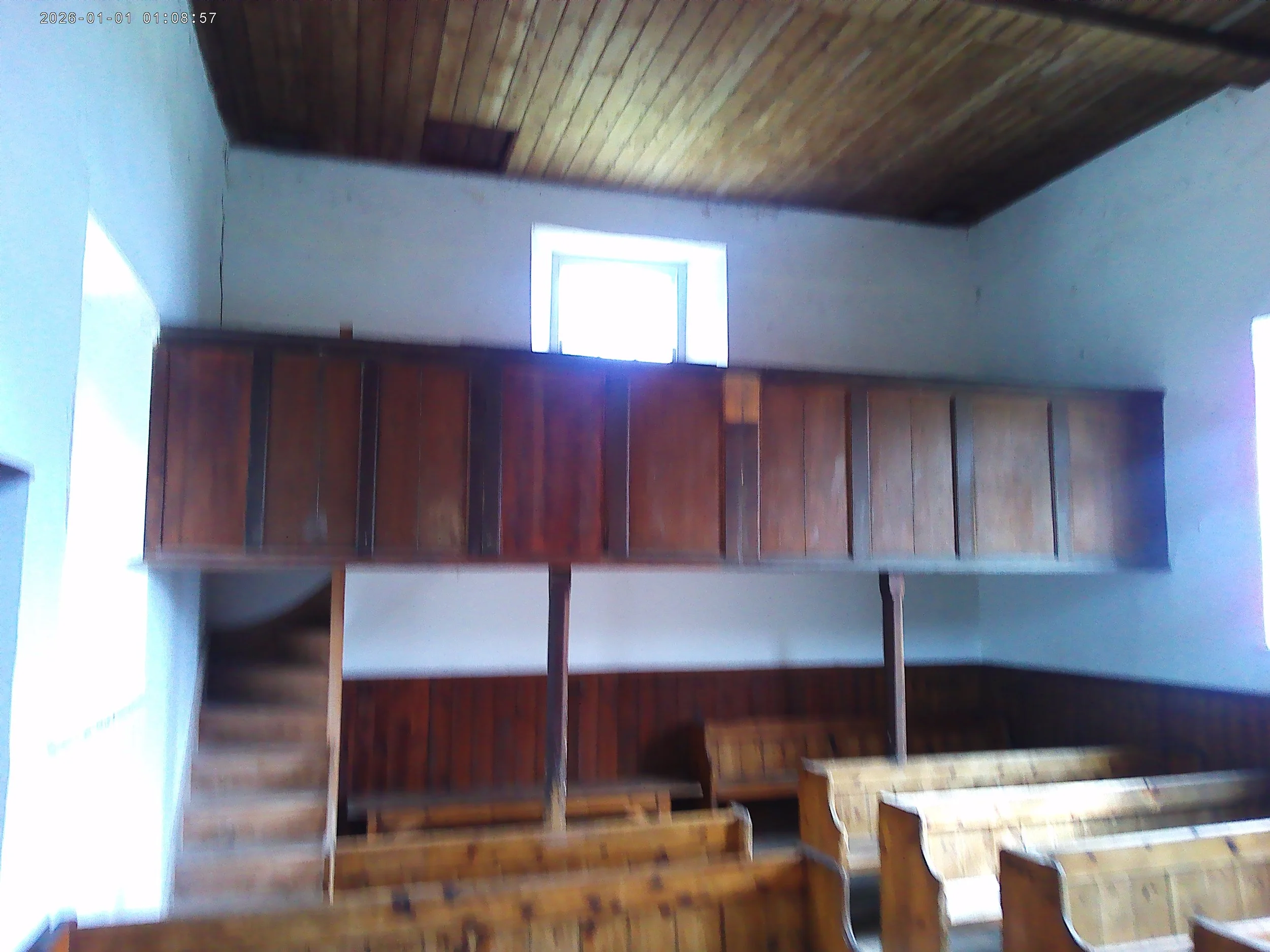
The opportunity to see a building which is rarely open to the public is one of the great pleasures of Heritage Open Days in September. A participant at one of my lectures drew my attention to the isolated Strict and Particular Baptist Chapel at Waddesdon Hill. Built by a farmer in 1792 it could be easily mistaken for a house were it not for the small graveyard surrounding it. Now looked after by the Friends of Friendless Churches it provides a glimpse of a time when the religious might travel many miles to attend a service which met their view of Christianity. It all gave me much food for thought and material for a future Friday morning online lecture. I always appreciate the things I learn from my audience.
2nd August 2026. Medieval England at the Weald and Downland Museum.
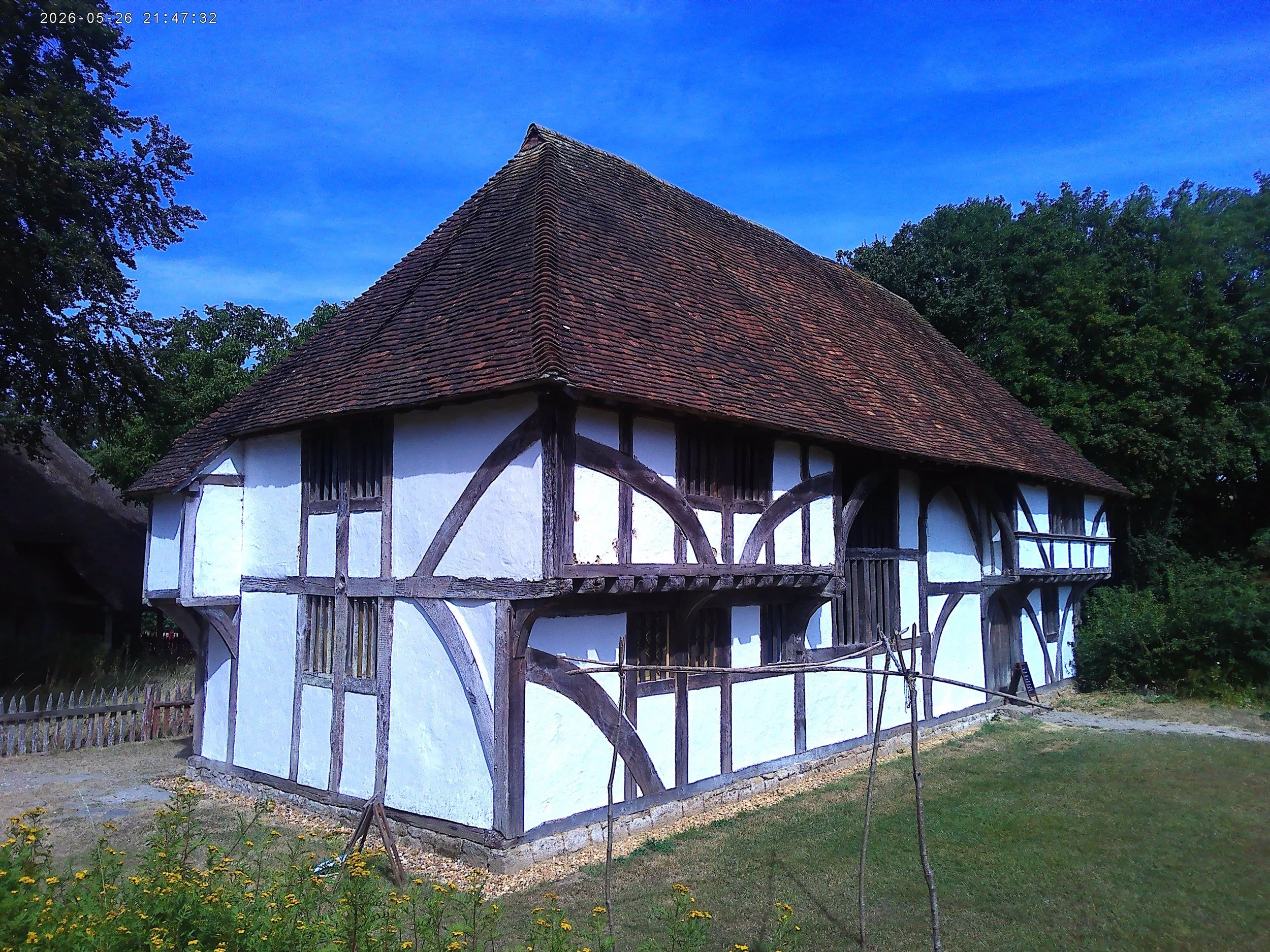
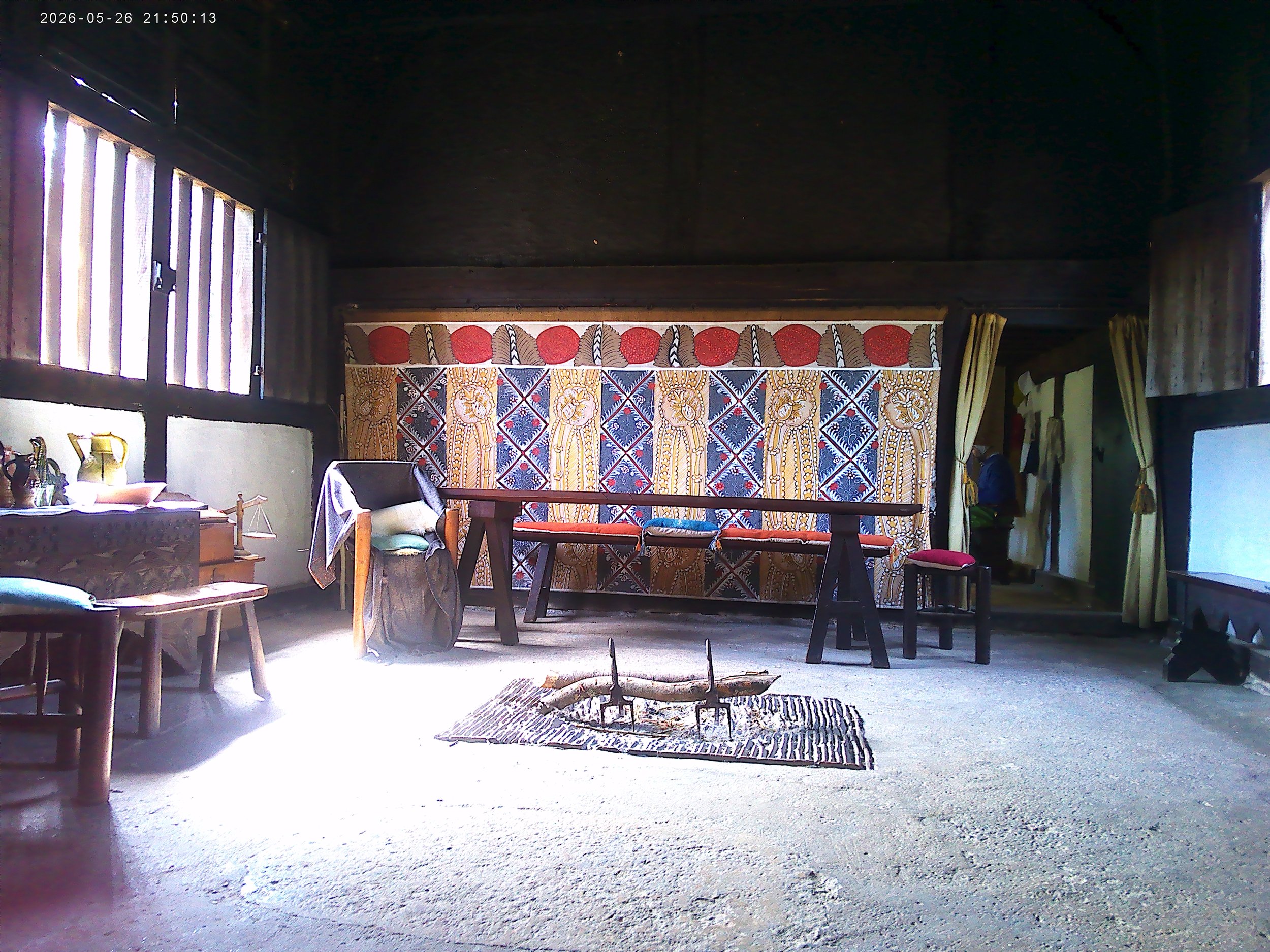
Much of my summer has been taken up with visits to collect material for lectures over the autumn and winter terms and Sunday found me in West Sussex not to visit the Repair Shop (although that is on site) but to update my pictures of medieval houses. The Weald and Downland Museum has a wonderful collection of buildings which have been taken back to the period they were built in. For Bayleaf Farm that means the 15th century and no glass in the windows, the hall heated by a fire in the centre of the floor and smoke blackened walls and beams. All very useful for my course on the English House which I will be delivering in Harpenden on Wednesday afternoons starting in January 2027.
10th June 2026. Zurbaran and the Spanish Golden Age.
A visit to London took me to the National Gallery to see the current exhibition of works by Francisco de Zurbaran in the refurbished Sainsbury wing. The paintings are splendid and many of them are large commissions for churches in Seville, which had the monopoly on trade with Spanish colonies in America and was a wealthy, thriving port. You get a sense of the piety of counter reformation Spain, the importance of paintings as devotional images and Zurbaran’s skill in convey the textures of cloth, both rich silks and coarser wool. Usually such an exhibition visit will give me ideas and material for a Friday morning lecture; in this case there was nothing I could find to talk about. The exhibition is worth seeing and rest assured I have plenty of other ideas for lectures.
18th May 2026. A House Growing Out of a Hill.
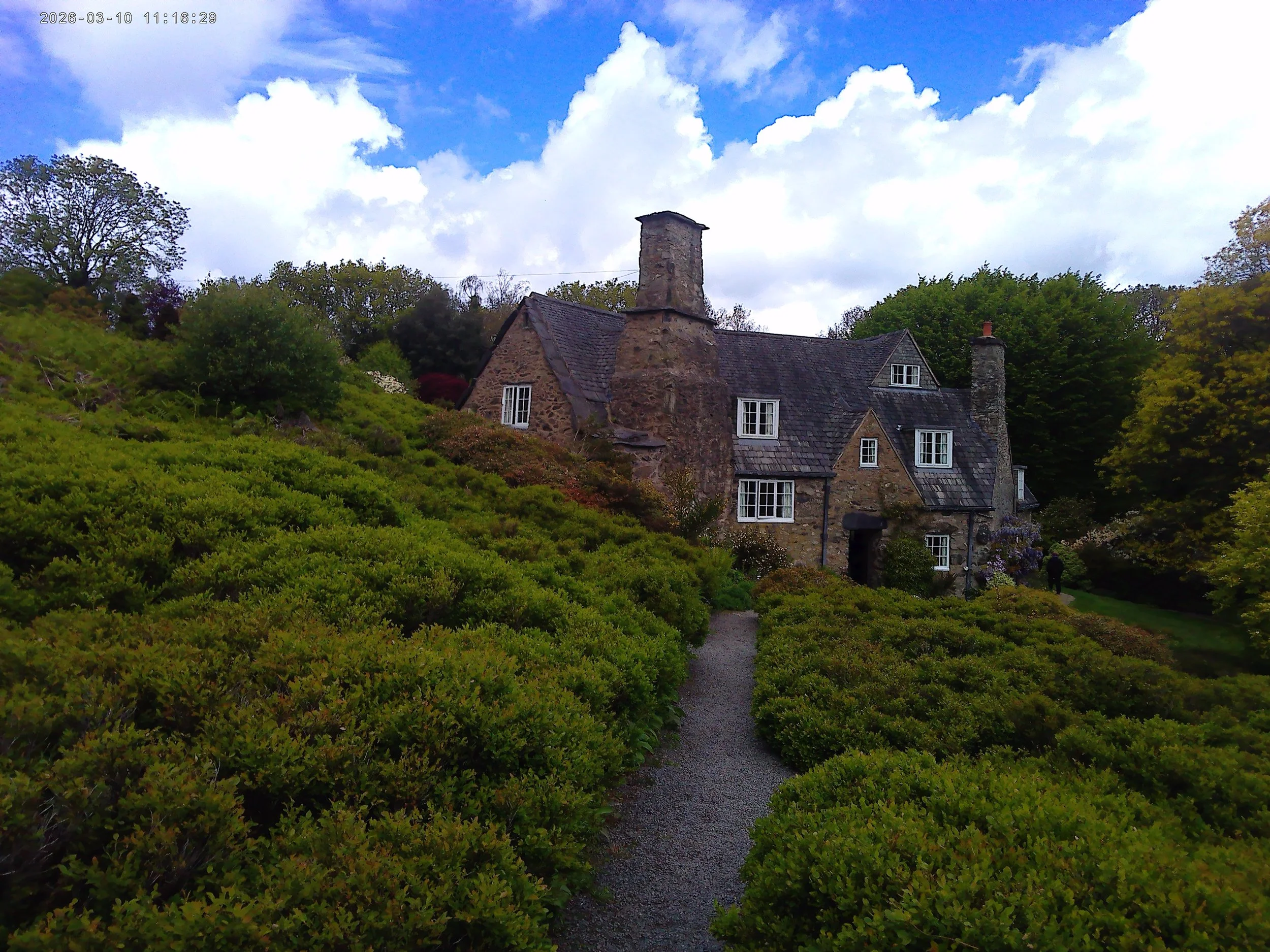
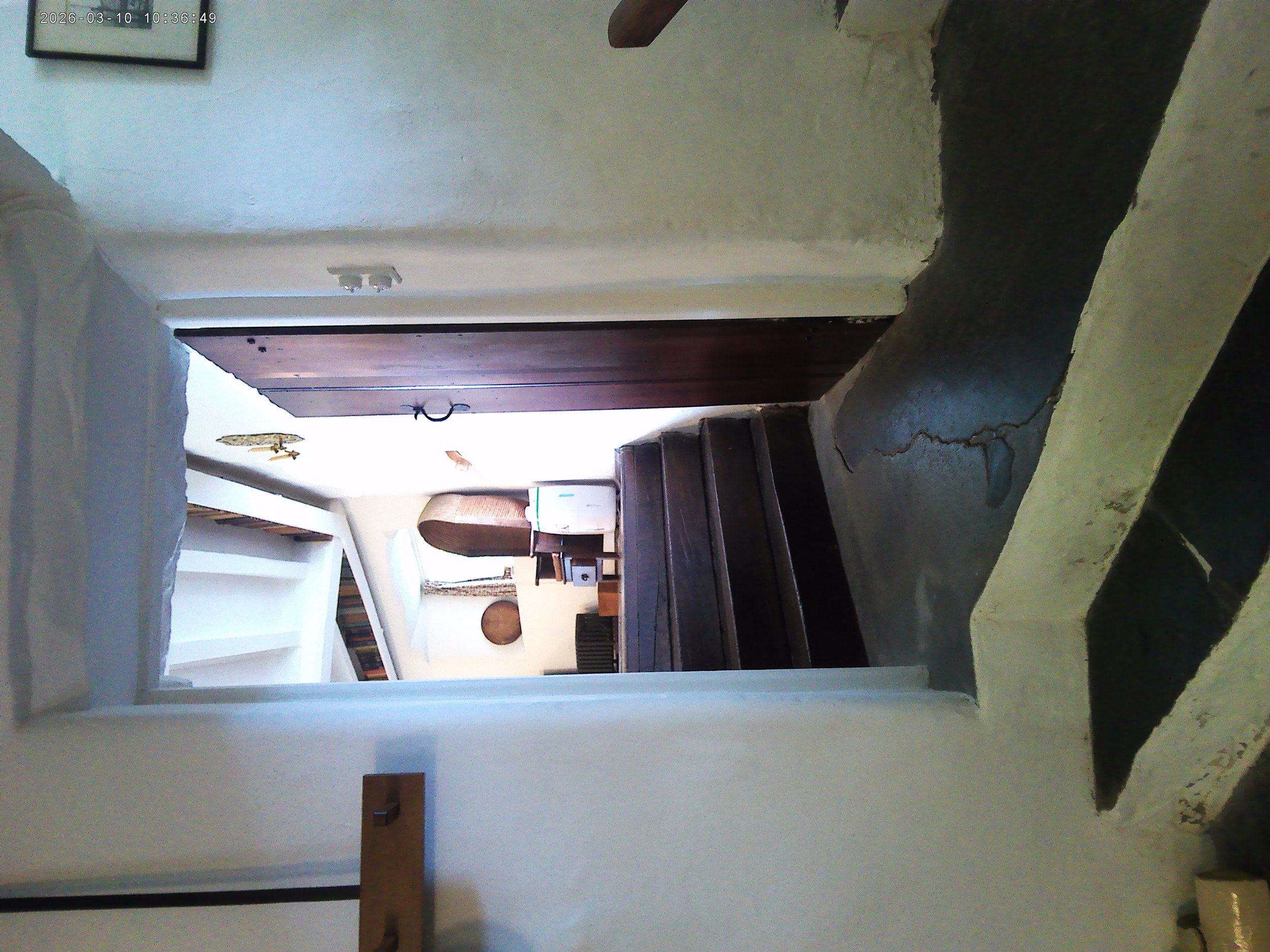
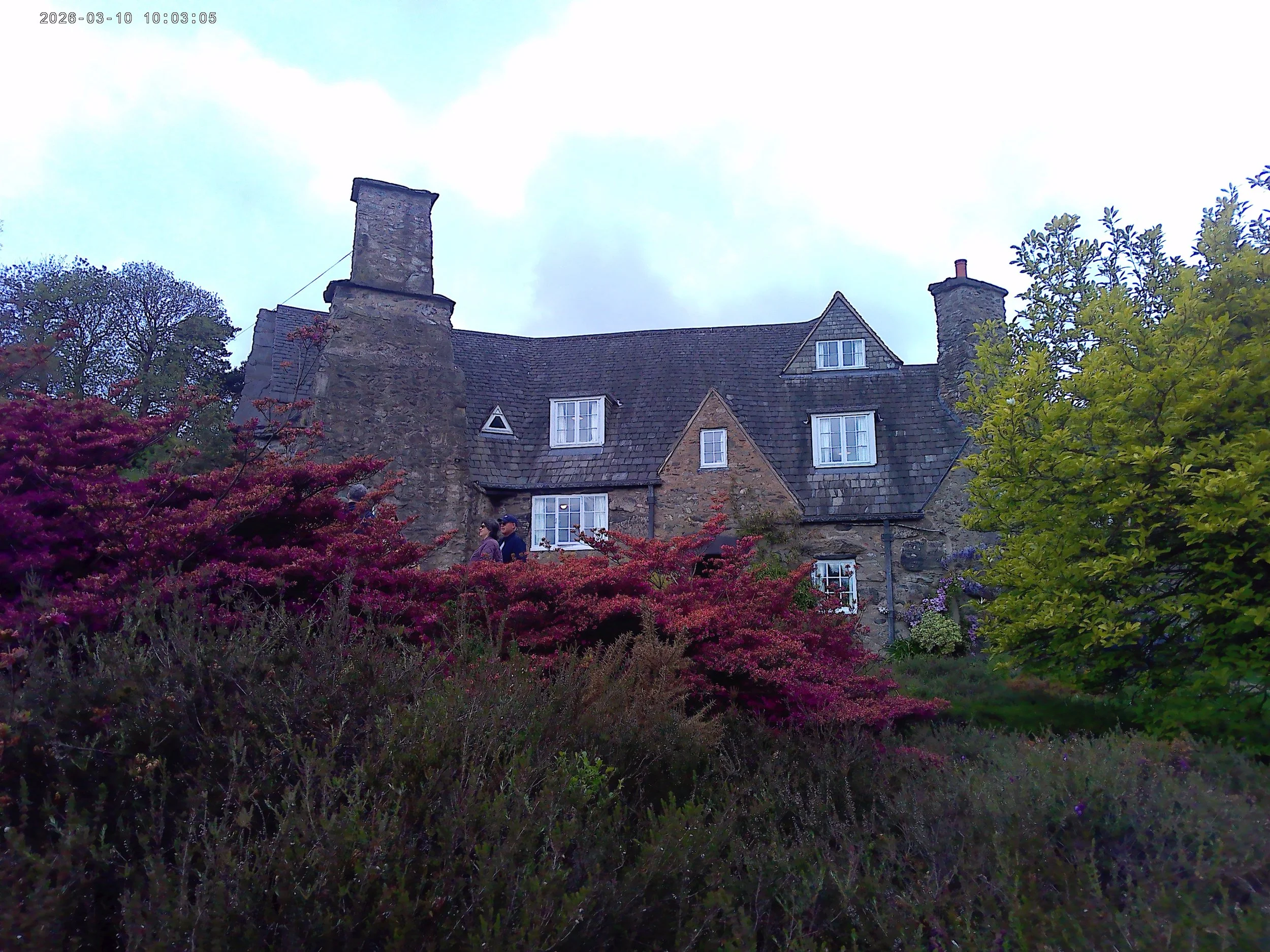
In preparing for a new online course I had the joy of visiting the small arts and crafts house Stoneywell in Leicestershire. It was designed by Ernest Gimson for his brother Sydney to follow the contours of a rocky outcrop and has a multitude of stairs to cope with changes in level. Completed in 1899 it was furnished with beautiful handmade furniture much of which remains. It is now cared for by the National Trust and provides much to think about for a class in the autumn.
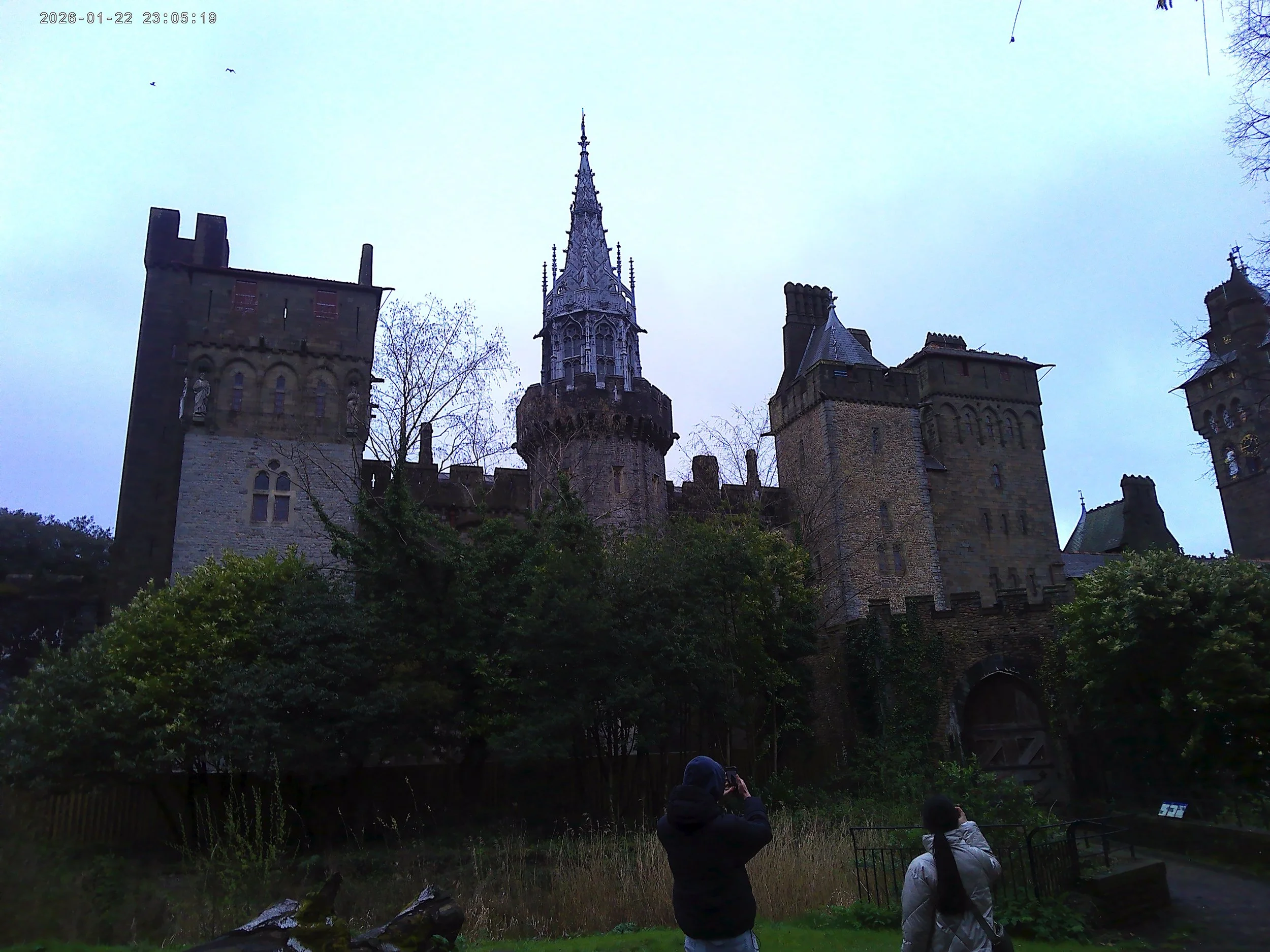
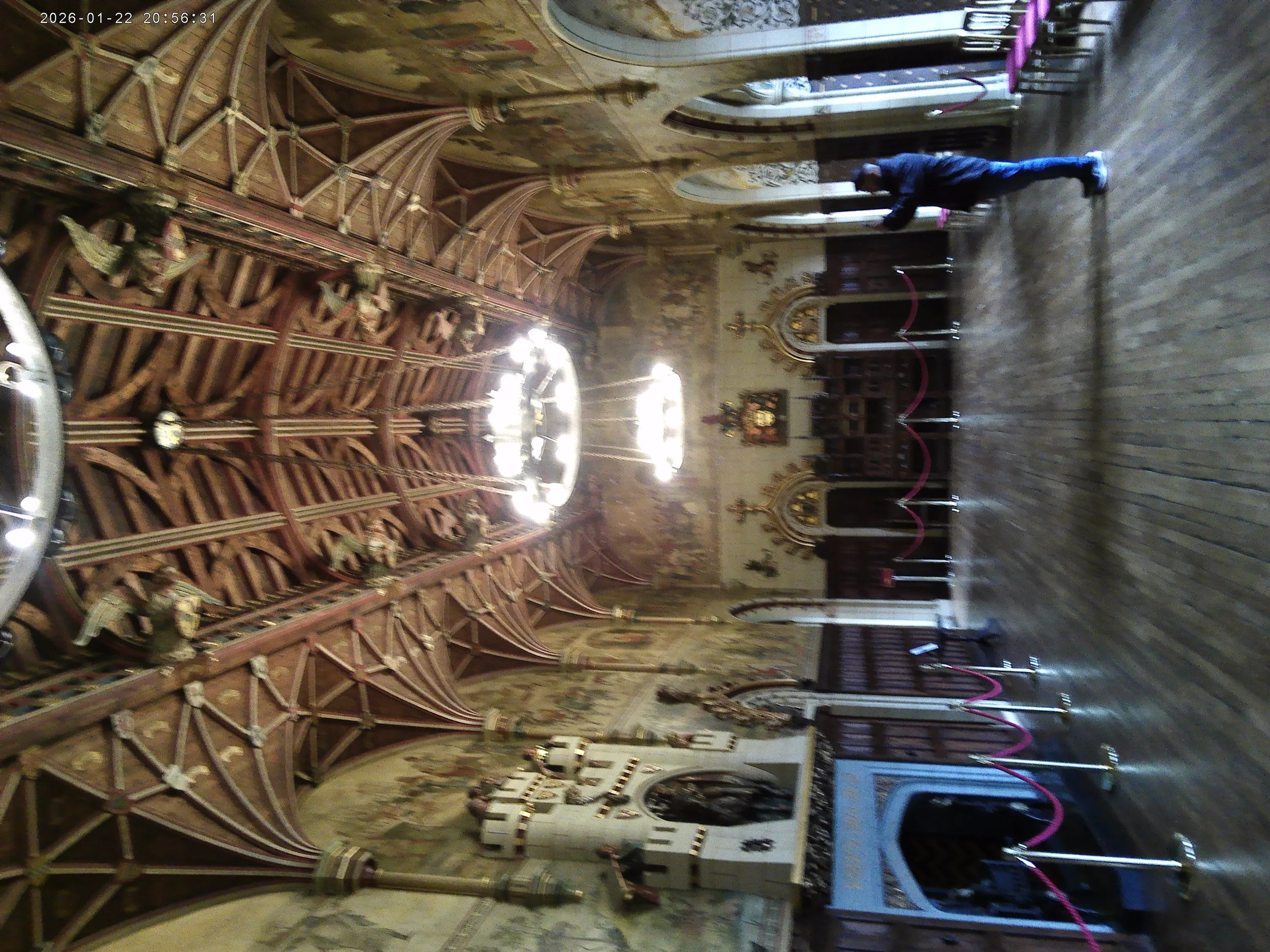
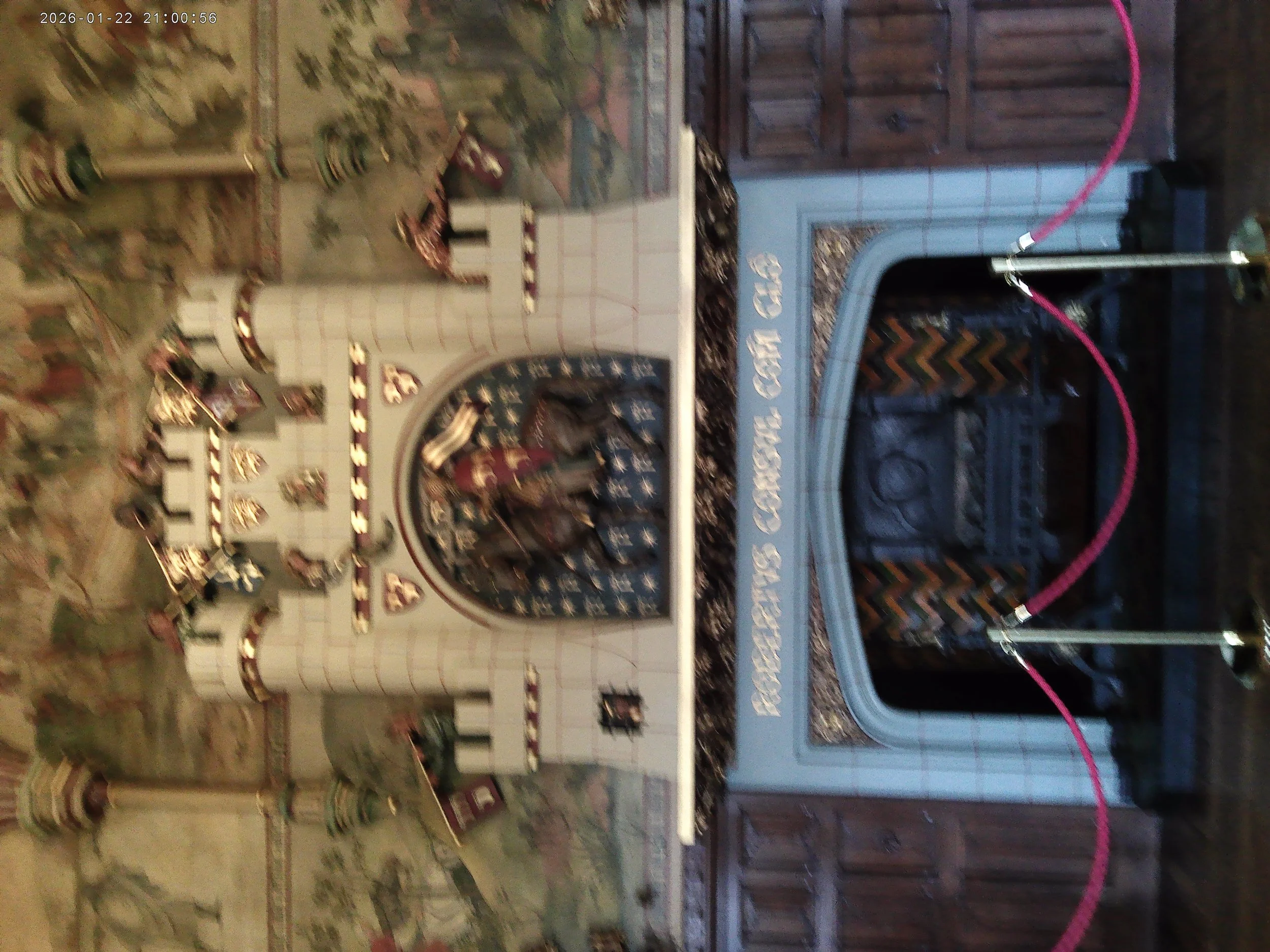
7th April 2026. The Gothic Revival in Cardiff.
An Easter visit to Cardiff included the castle which was largely rebuilt in the years following 1869 to the designs of William Burges whose client was the young and fantastically wealthy Marques of Bute. Both men were able to indulge their romantic ideas of the medieval past in this remarkable building whose interior is one of the richest surviving pieces of Victorian decoration. This provides many ideas for future Friday morning Zoom lectures.
15th December 2025 (1). The Great Beer Flood of 1814.
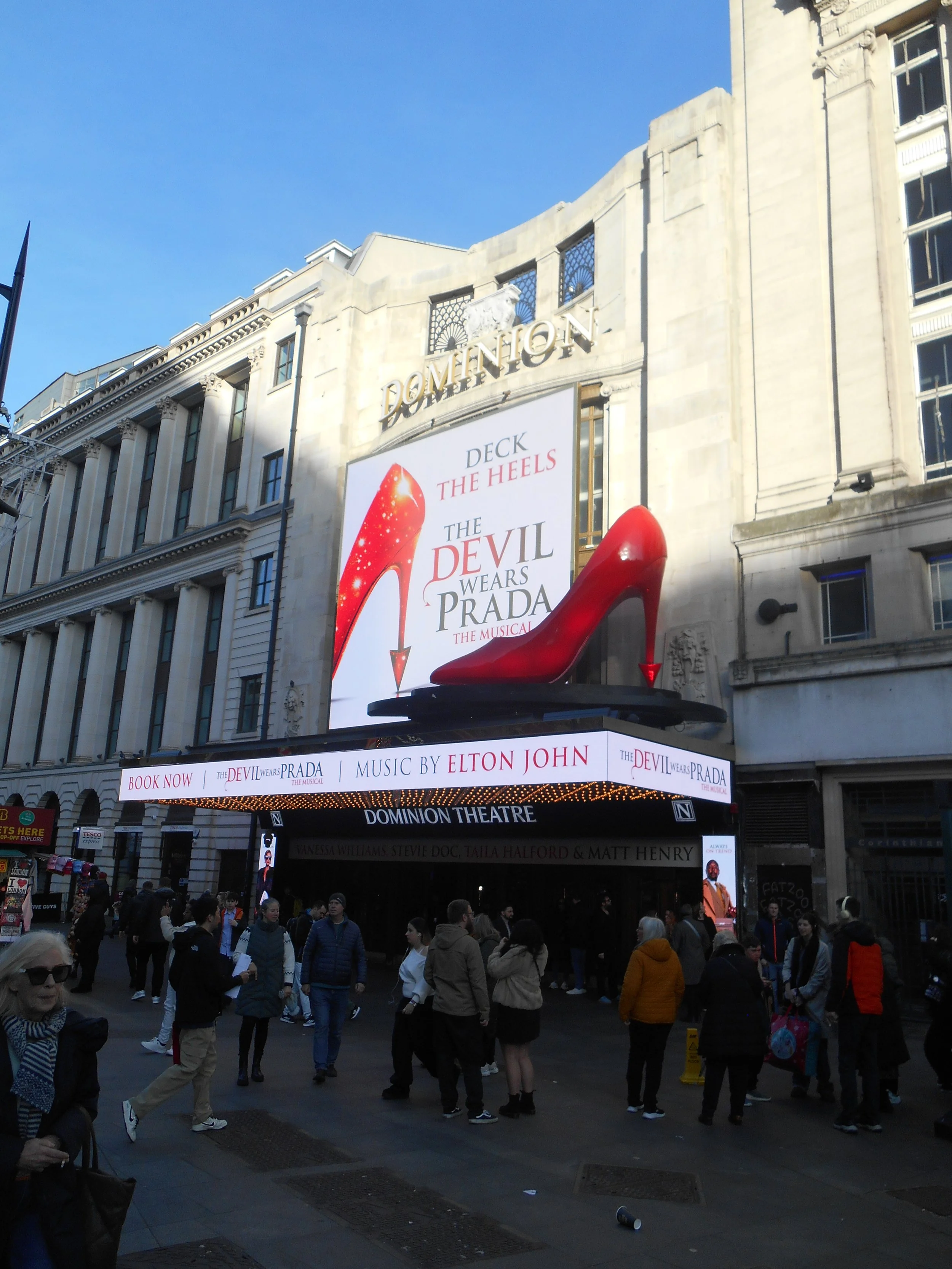
While reconnoitring the route of a new walk in Bloomsbury I passed the site of a tragedy of October 1814. The Dominion Theatre at the southern end of Tottenham Court Road occupies land on which the Horseshoe Brewery stood and where porter was brewed. Porter as a dark beer made from highly roasted malt was a popular drink in Georgian London but needed a period of months to mature in vast wooden vats before it could be drunk. On 17th October 1814 one of iron hoops strengthening a vat 22 feet high slipped and then fell leading to the vat bursting which destroyed other vats and unleased a flood wave of beer some 15 feet high. The beer crashed out of the brewery and into the crowded slums of neighbouring St. Giles where 8 women and children were killed as houses were washed away or flooded. In the investigations which followed the brewery’s principal owner, Sir Henry Meux, was cleared of responsibility as it was deemed an accident so no compensation was paid to the families of the dead. The brewery nearly went bankrupt but was saved by a repayment of the tax which had been paid on the lost beer and brewing continued on the site until the 1920’s when it was replaced by the theatre.
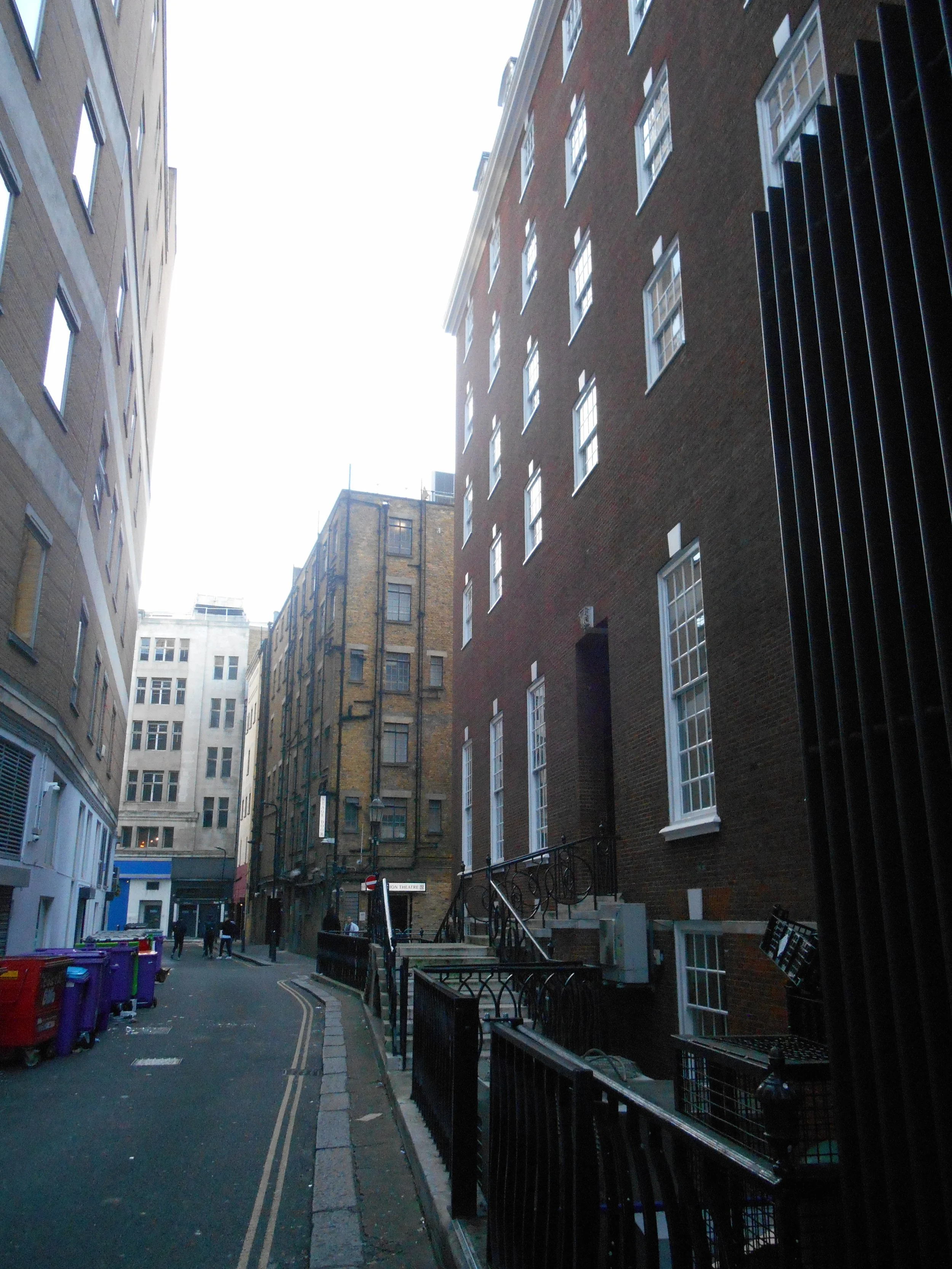
The rear of the Dominion Theatre is on the right of Bainbridge Street and the Horseshoe Brewery filled the whole of this side of the street shown here.
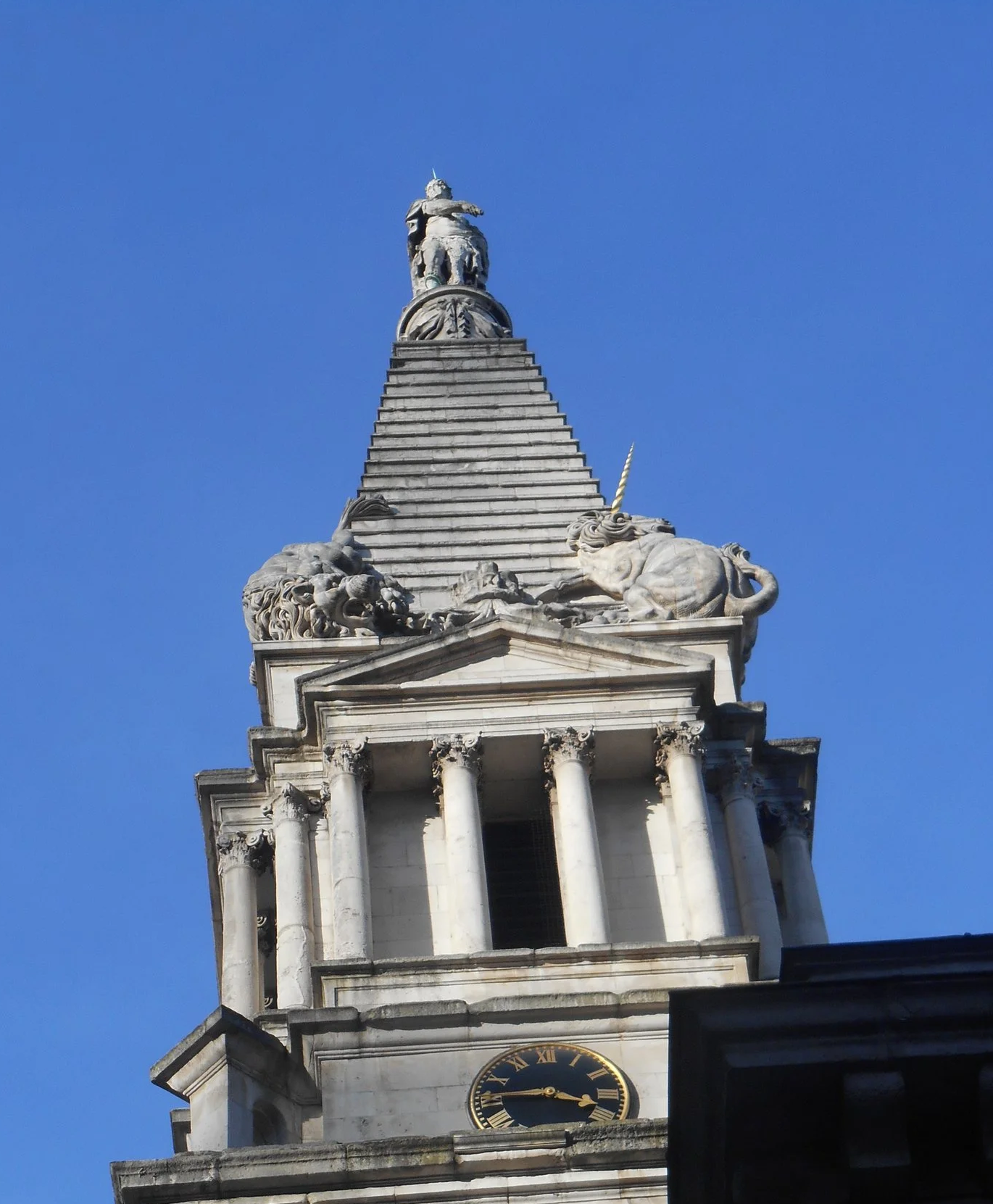
15th December 2025 (2). The Steeple Where the Lion and Unicorn Play.
Also while walking in Bloomsbury I passed Nicholas Hawksmoor’s church of St. George, built between 1716 and 1731. The steeple is topped by a statue of George I and statues of the lion and unicorn (England and Scotland) are crouched around the steeple’s base. Just a reminder of how complex inheritance could be for this German prince to reign in Britain.
15th December 2025 (3). The Wright Details.
My final comment is about the small, but excellent, exhibition “Wright of Derby: From the Shadows” at the National Gallery. I took two things from it, firstly the size of the paintings where many of the figures are life size; secondly the details of mid 18th century life. If you visit take a moment to look for the piece of iron rivetted across the blade of the earth stopper’s spade; a reminder of how tools were valued and repaired when iron was relatively expensive.
6th November 2025. The Elevated Sarcophagus of Pinner.
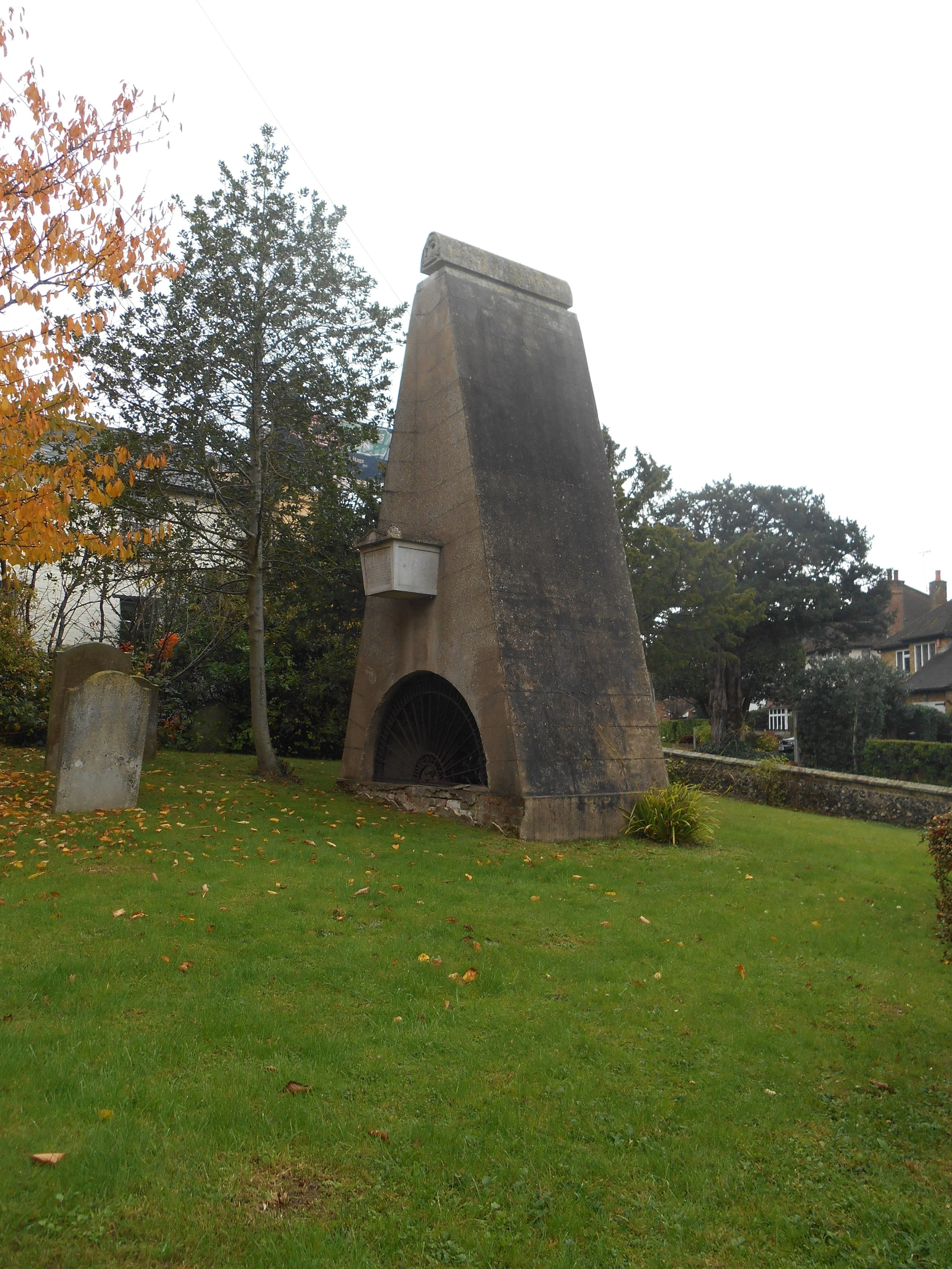
In walking the route of a future tour in Pinner I discovered a most unusual memorial in the parish churchyard of a tall, stuccoed brick pyramid with a stone sarcophagus projecting out of its middle. It commemorates William and Agnes Loudon who died in 1809 and 1831 and was designed by their son John Claudius Loudon; a prolific garden designer and writer. You can ask many questions about this monument. Are the Loudons in the sarcophagus? Why is William’s inscription in Latin and Agnes’ in English? As is often the case I can not find any easy answers.
21st October 2025. Architectural Honesty in Hertford.
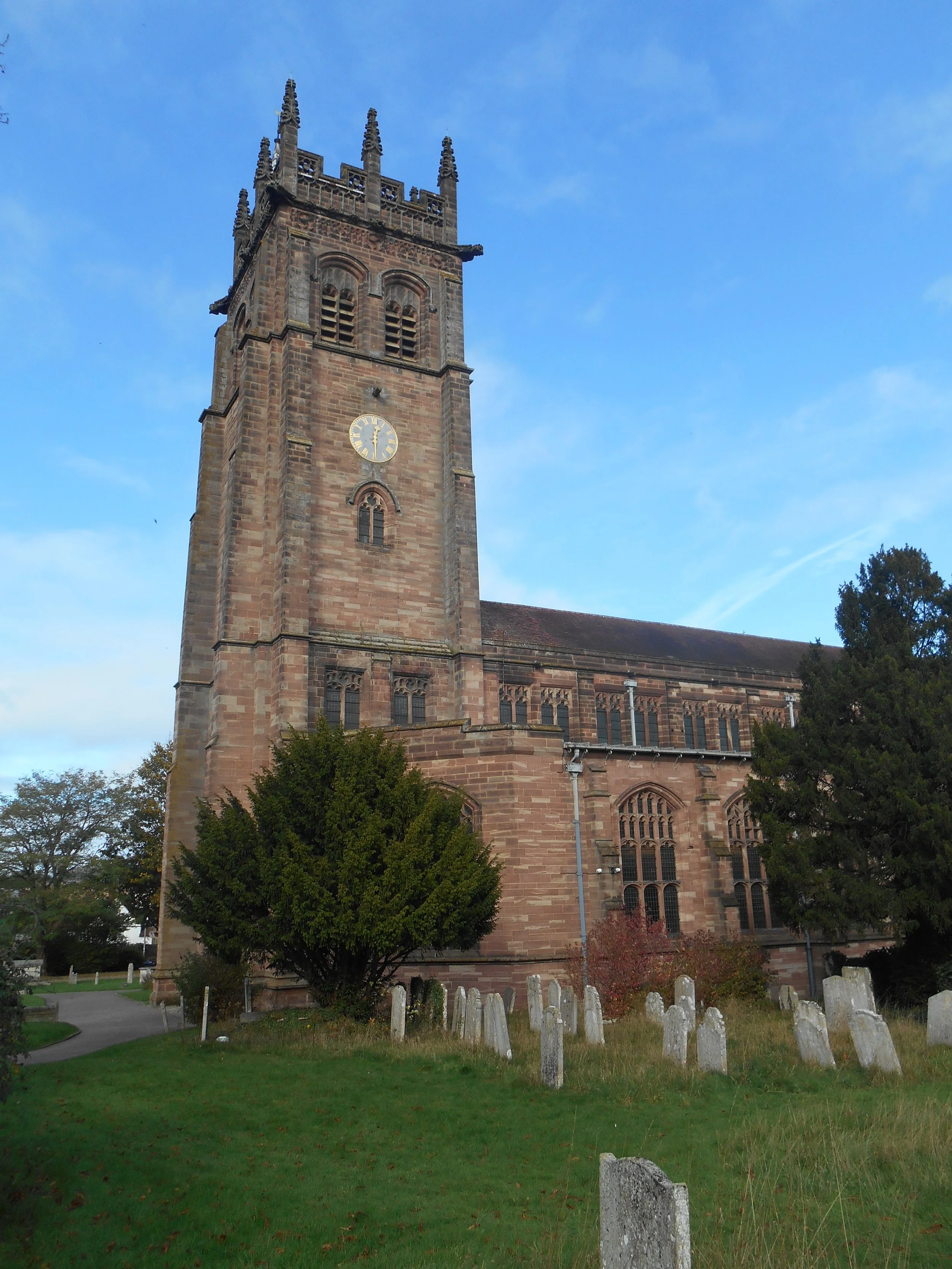
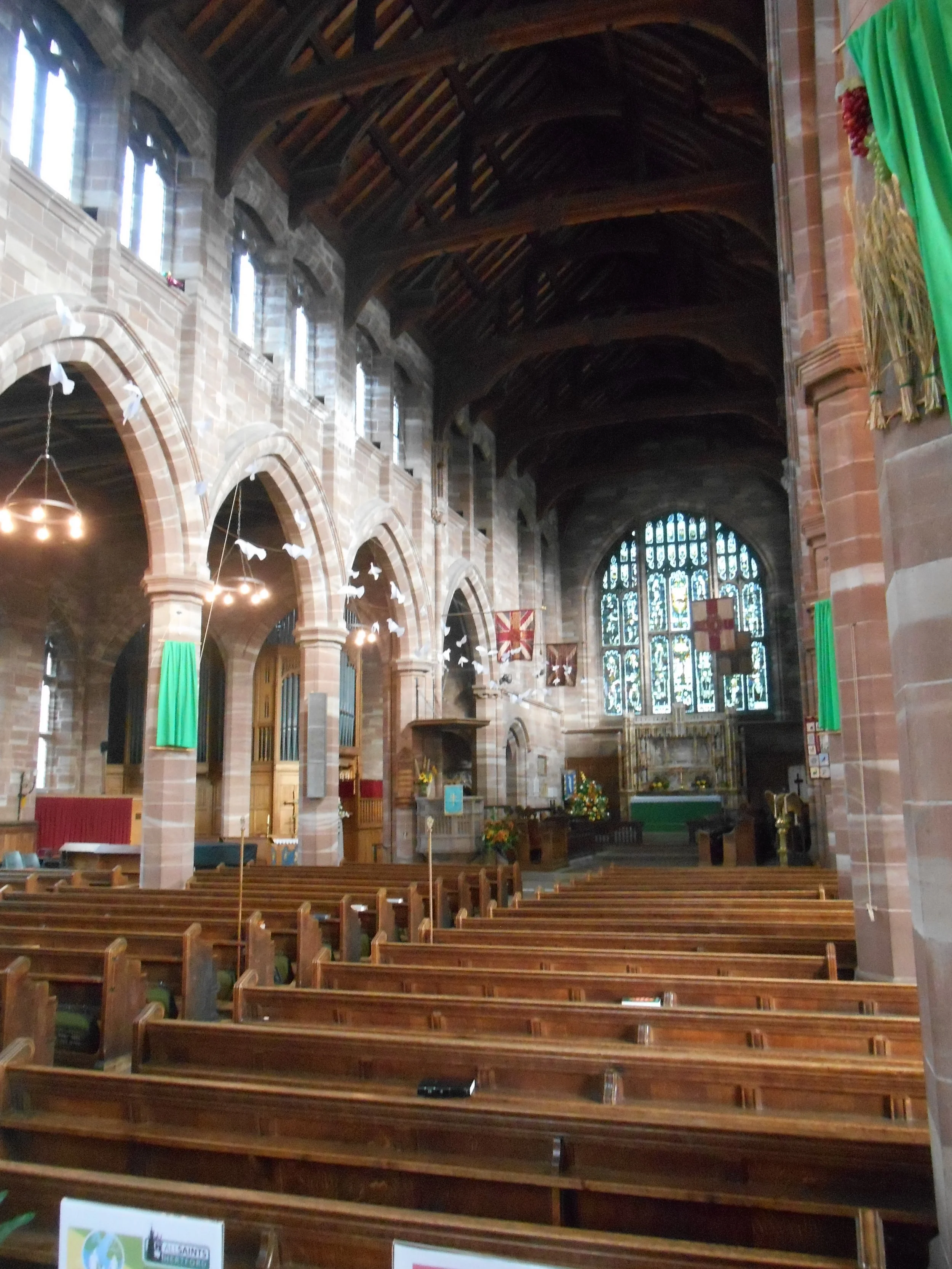
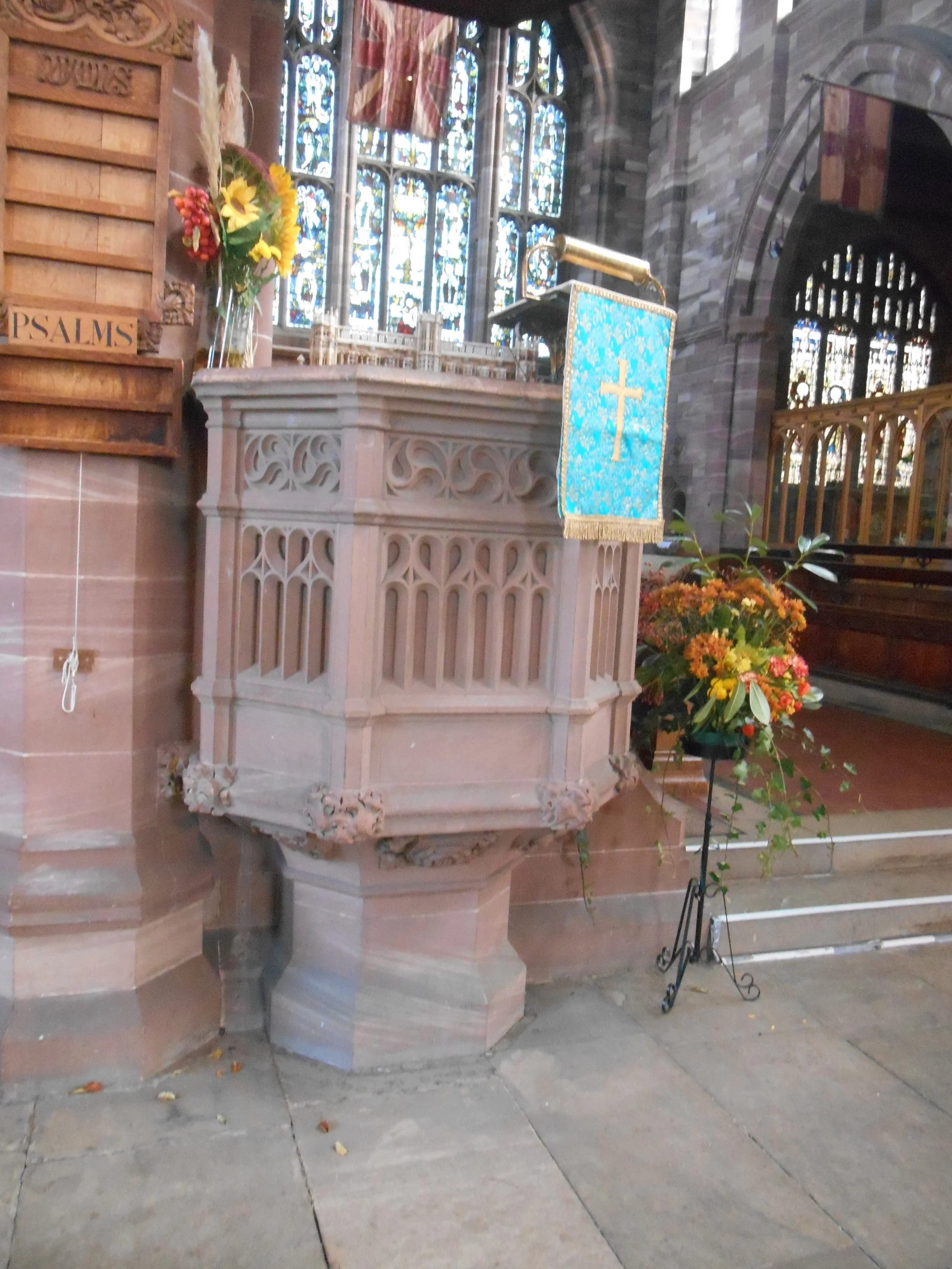
In preparing a new lecture for the Victorian England course I am delivering in Hertford I visited All Saints church, a very splendid piece of late Victorian gothic architecture. The church replaced one destroyed by fire in 1891 and was reopened in 1895. The architects were Paley and Austin of Lancaster who designed a building where you can see how the structure works with pointed arches bearing the load. It is ornamented with accurate Perpendicular detail inspired by the 15th century. The one quibble you might have with it is that the building stone is red sandstone from Runcorn an impossible choice in medieval Hertfordshire but one made easy by Victorian Railways.
23rd September 2025 : In Search of Harry I Found Wendy.
A visit to the delightfully named Bedfordshire hamlet of Cockayne Hatley was intended to get a sense of the small estate owned at the end of the 19th Century by Harry Cust, the heir to the vastly larger Brownlow estates of Ashridge (Herts), Belton (Lincs) etc.
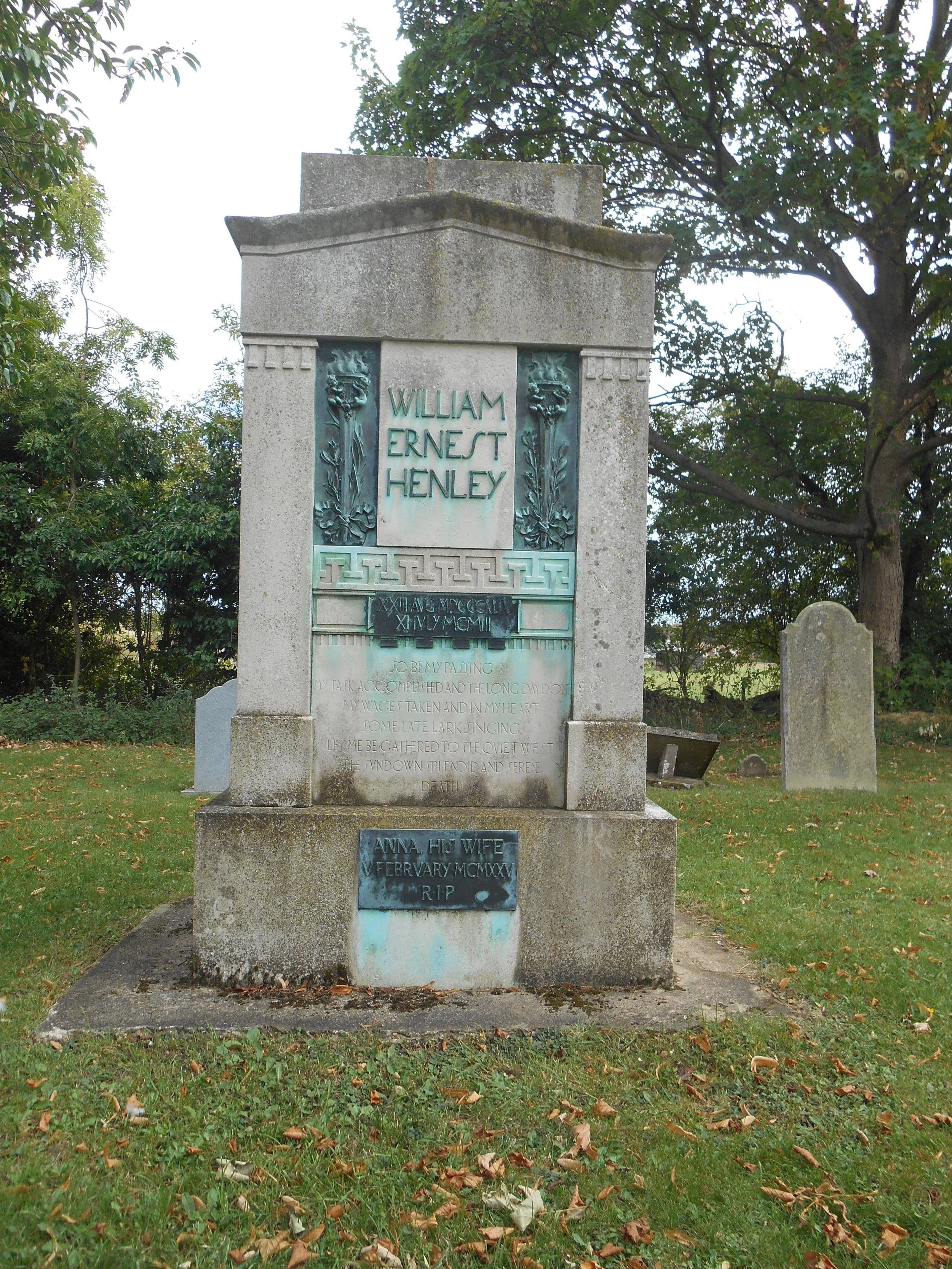
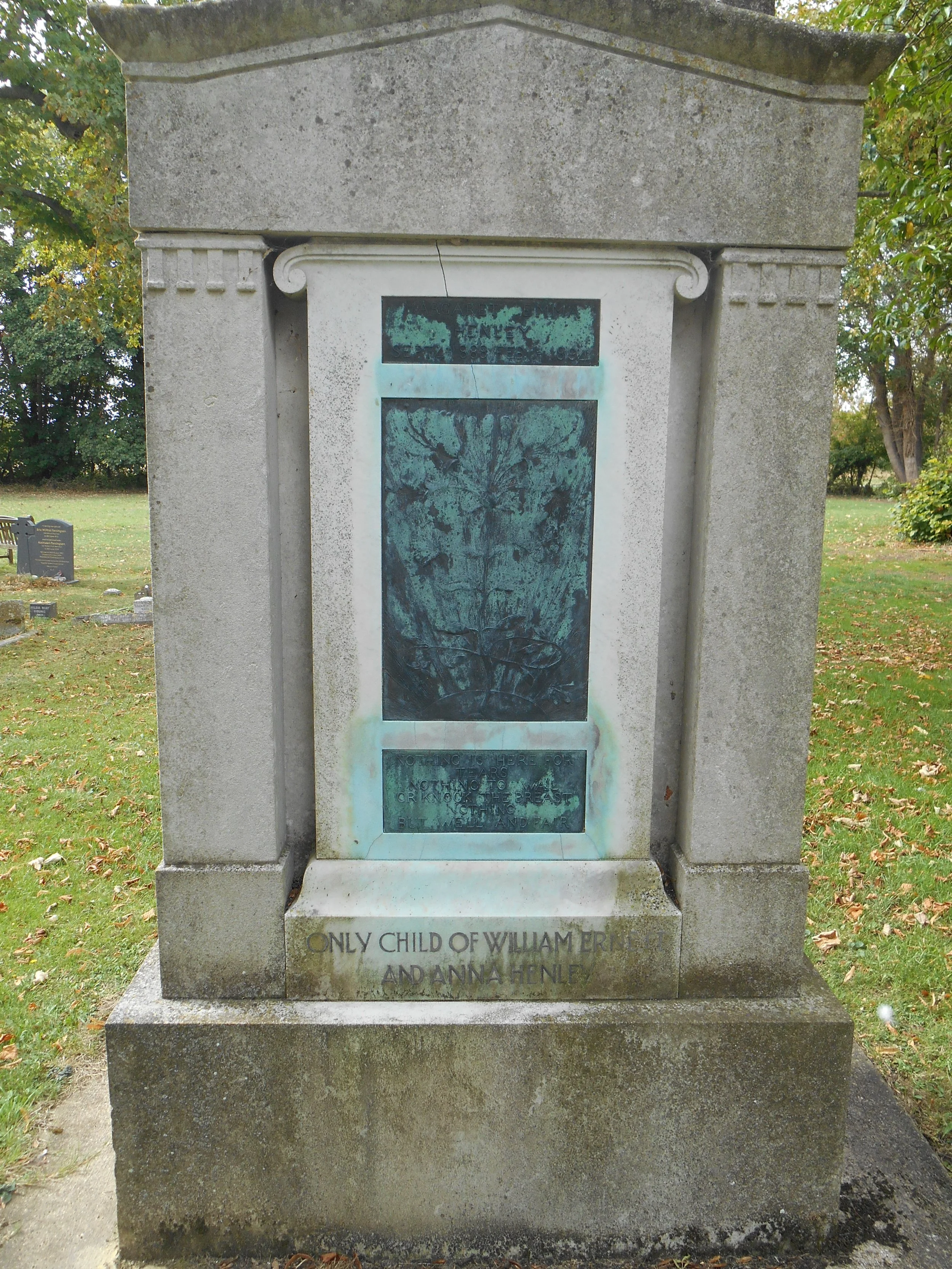
Harry was an important editor and writer and because of this and his membership of that aristocratic group of intellectuals (and occasional bed hoppers) known as the Souls he knew many writers, artists and politicians. This was what was to lead to a most impressive monument being erected in the churchyard in the 1890’s for the Henley family starting with Margaret Emma Henley who died aged 5 ½ in1894. Margaret was J.M. Barrie’s inspiration for Wendy in Peter Pan.
Returning to Harry, he will feature in a future Friday morning online lecture looking at the Brownlow inheritance in the early 20th Century; with a brief mention of his bed hopping.

9th September 2025 : Cogges Manor Farm, Witney, Oxfordshire.
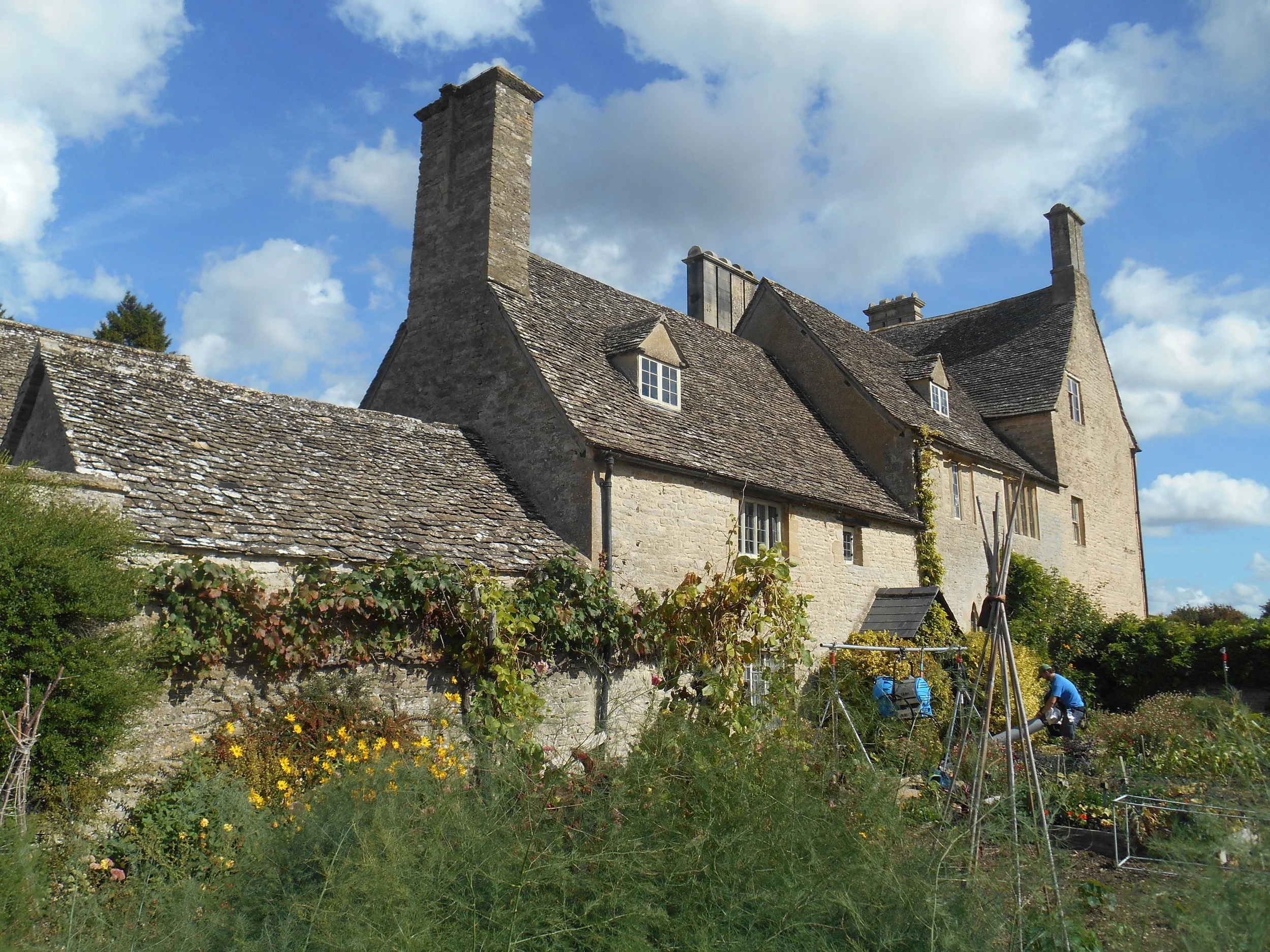
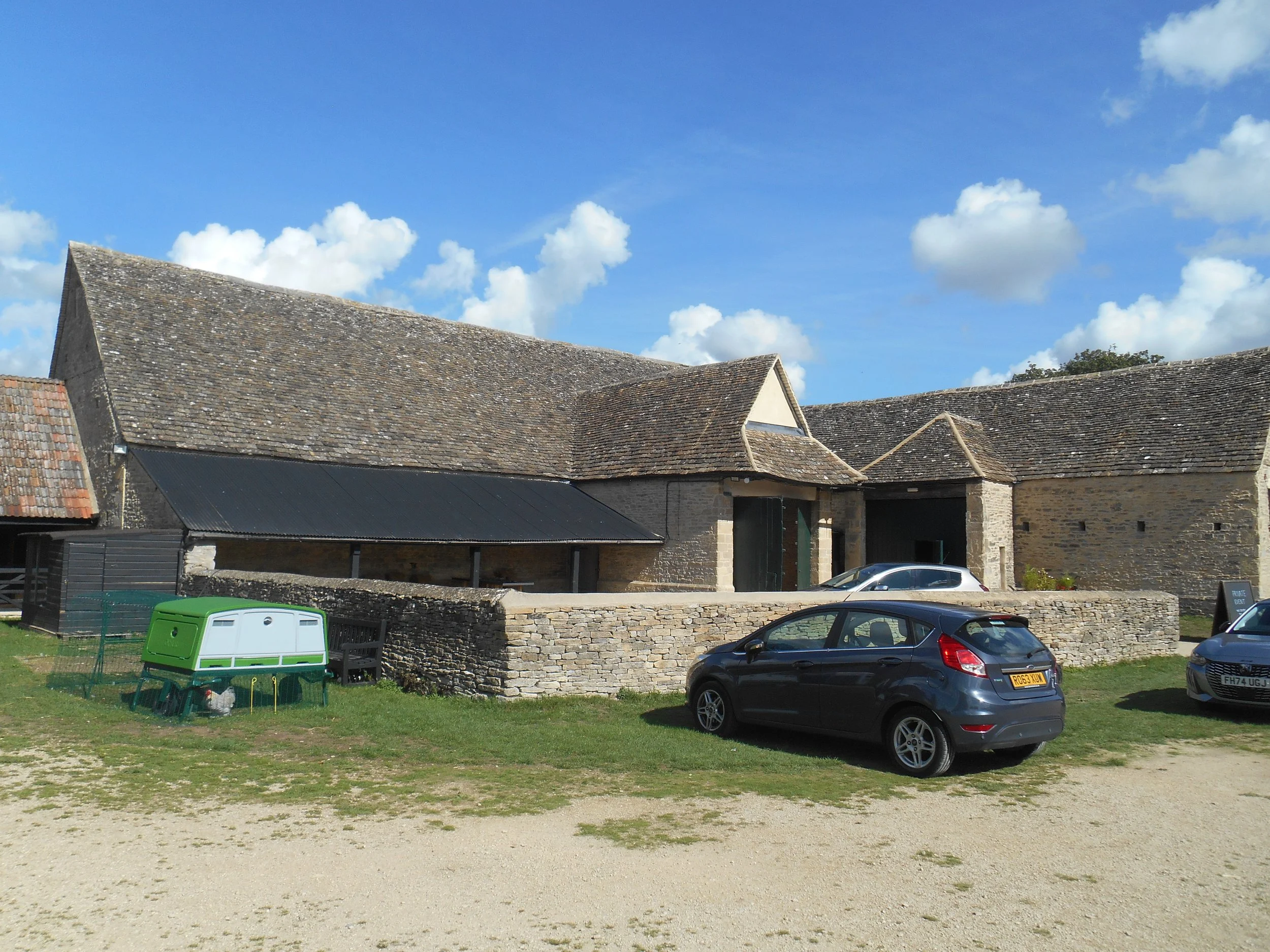
In my researches for courses looking at smaller houses for the academic year 2026-7 I visited Cogges Manor Farm. The farm house was a manor house but was reduced in size and status to become a farm in the 18th Century although it still has parts of medieval buildings surviving. It is surrounded by an impressive collection of farm buildings from barns to pig styes so there will be plenty to discuss on a future course.
A walk of ten minutes brought me into the centre of Witney which has much of architectural interest. I will explore the possibility of a visit to Cogges next spring or summer with an add on “architecture and history” walk in Witney. Does this appeal, or is it further than you would want to travel? Let me know your thoughts.
A final important point is that the Cogges café serves excellent coffee and cake……
1st September 2025 : Watlington, Oxfordshire.
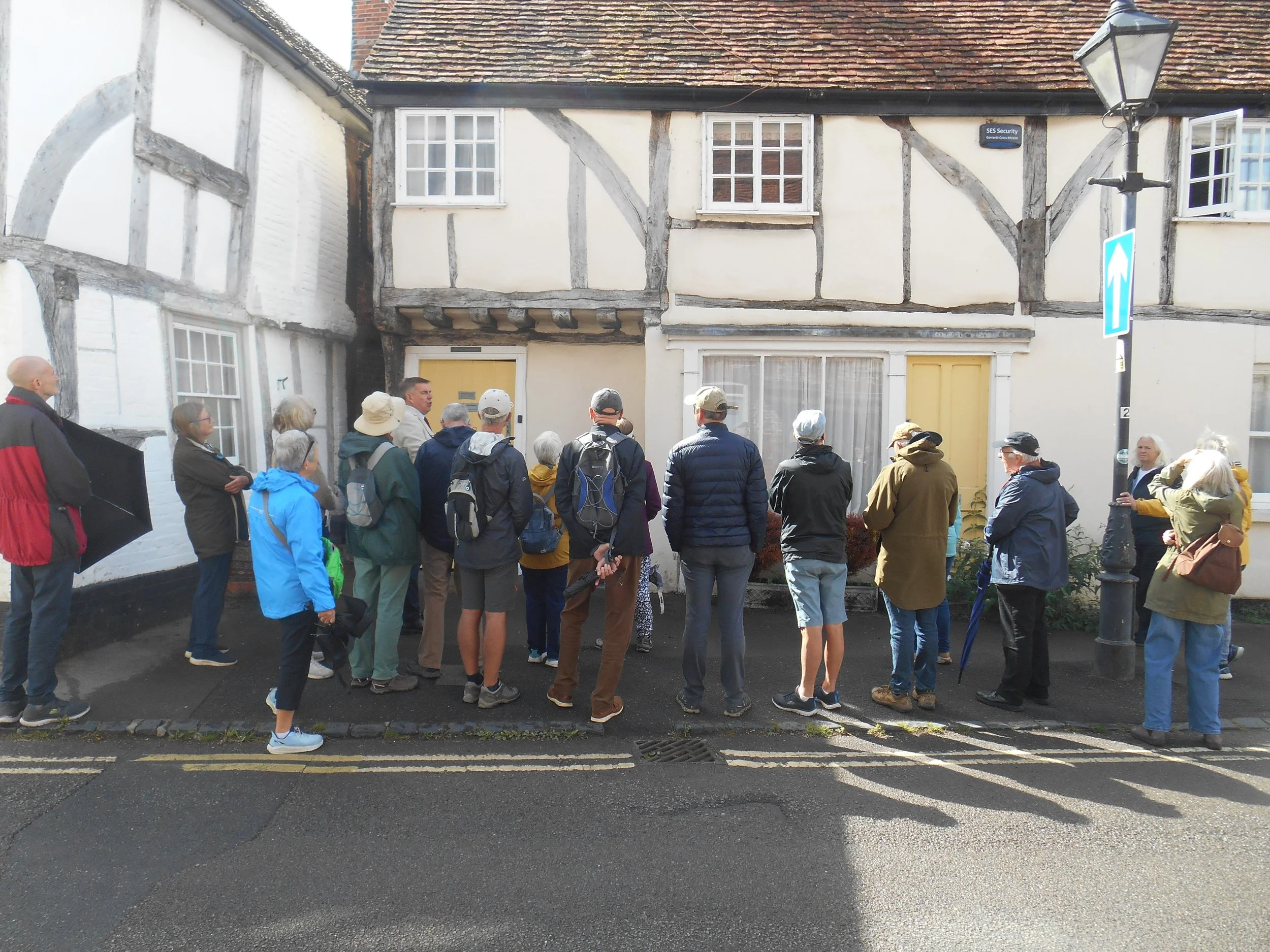
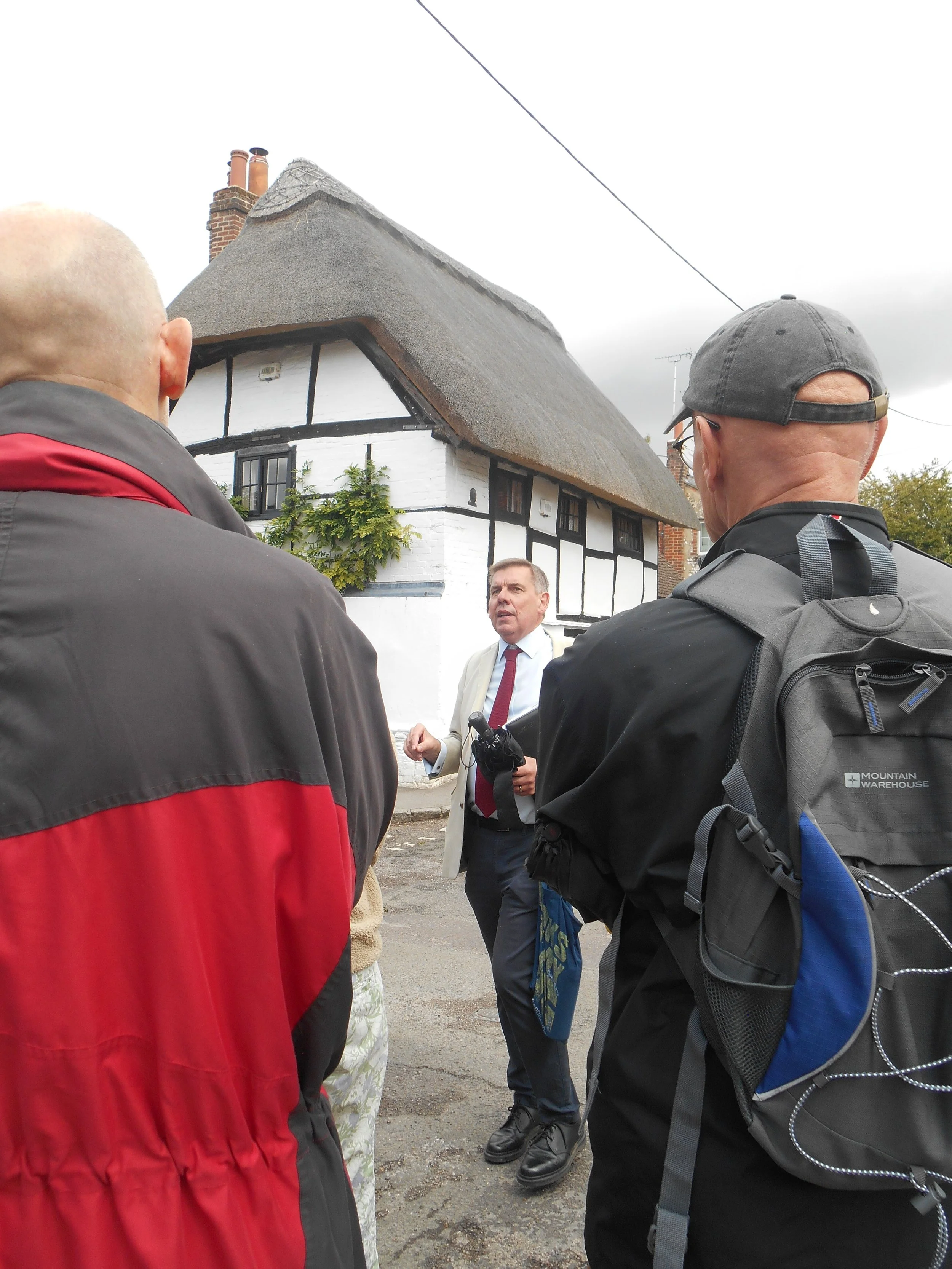
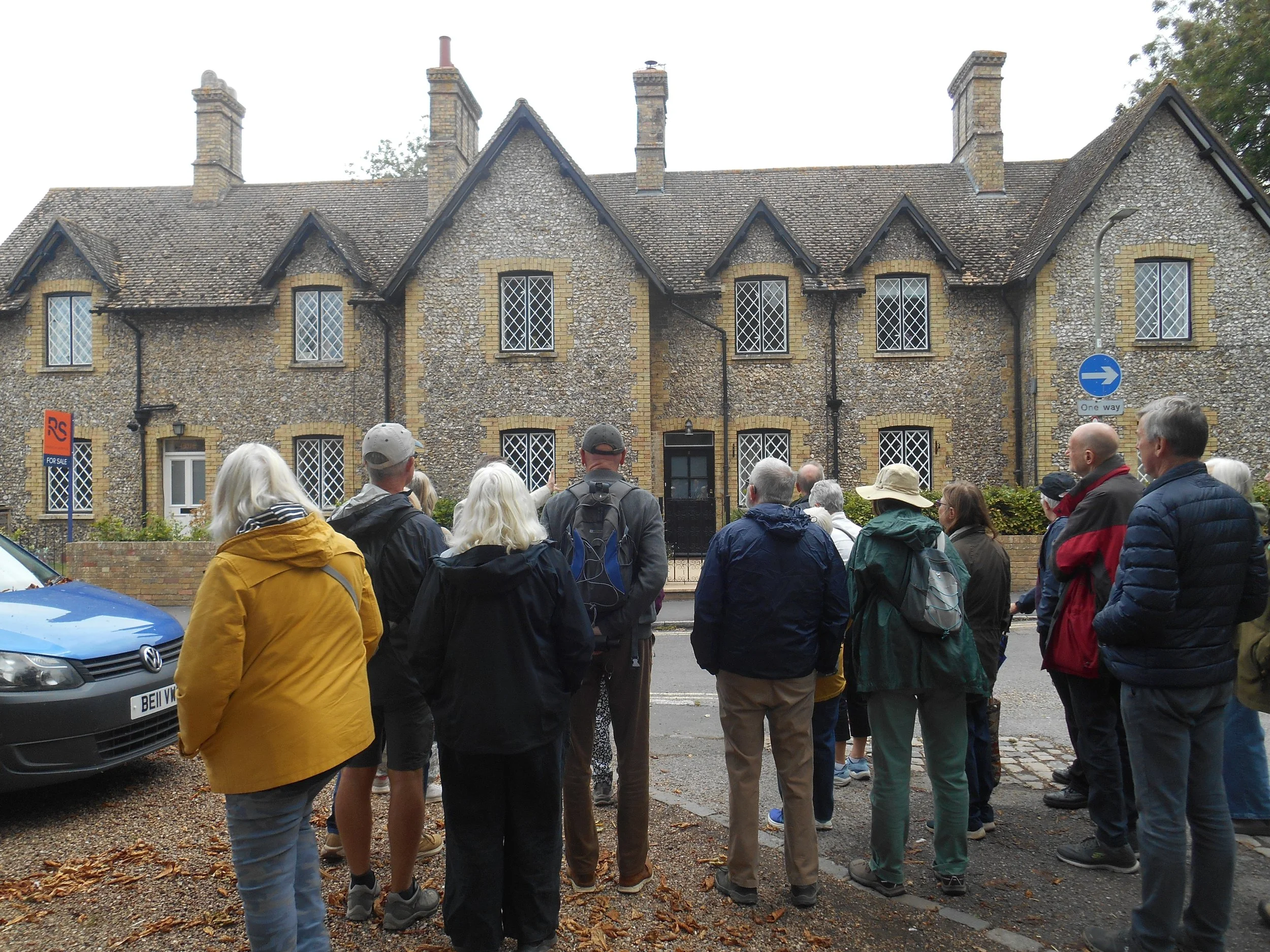
The autumn series of visits started with a walk in the small market town of Watlington where we were able to see many interesting buildings from the 15th to 20th centuries, while raising and lowering umbrellas in the showers.
The poor transport links to the town in the 19th century saw it stagnate and then decline in population which has led to a high number of earlier buildings surviving. We also saw the site of the town gas works which had houses built on it in the 1960’s and led us to think about what pollution may remain. Following the walk one of our number researched this and discovered that the gardens behind these houses had the soil replaced about 15 years ago because of pollution concerns. It’s always rewarding when someone is able to follow up something on a walk and I will keep using this blog to share any similar research in the future.
13th August 2025 : Apethorpe, Northamptonshire.
It all begins with an idea.
A fascinating visit to Apethorpe Palace which is a recently restored private house that opens for a limited number of days each year through an agreement with English Heritage (booking through English Heritage).
Sisters Emma and Molly gave an excellent tour of this multilayered house which has interesting parts from each century between the 15th and 21st. There was much to learn about the rebuilding of the house to be used as a hunting lodge by James I in the 1620’s and how he was introduced to his favourite George Villiers, Duke of Buckingham at Apethorpe.
Also notable mentions for decorative details including 17th century carrots and the Brassey duck. More will be revealed in my online course : The English Country House 1990-Present ; Country Houses in Rude Health? Which starts in January 2026.
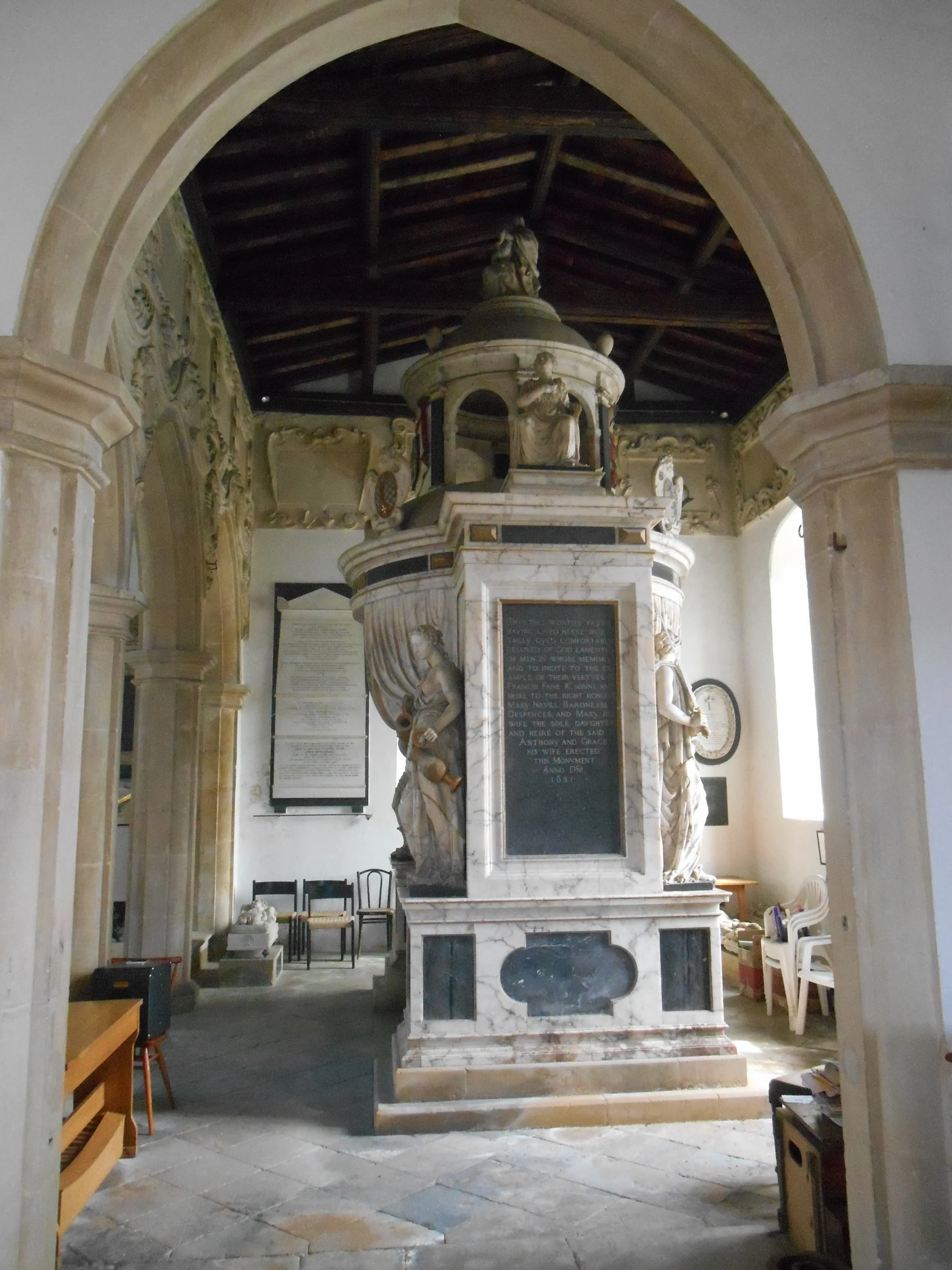
My visit concluded with a visit to St. Leonard’s church in Apethorpe which contains the spectacular classical monument to Grace and Anthony Mildmay dating to the early 1620’s and which will feature in a future Friday morning online lecture.